Warning: Constant WP_CACHE already defined in /home/u985655933/domains/carandbike24.com/public_html/wp-config.php on line 15
Carandbike24 - Carandbike24 - Page 24 Of 29

Author: carandbike24

  • Total Cost of Conversion from Petrol to Electric Car

    Total Cost of Conversion from Petrol to Electric Car

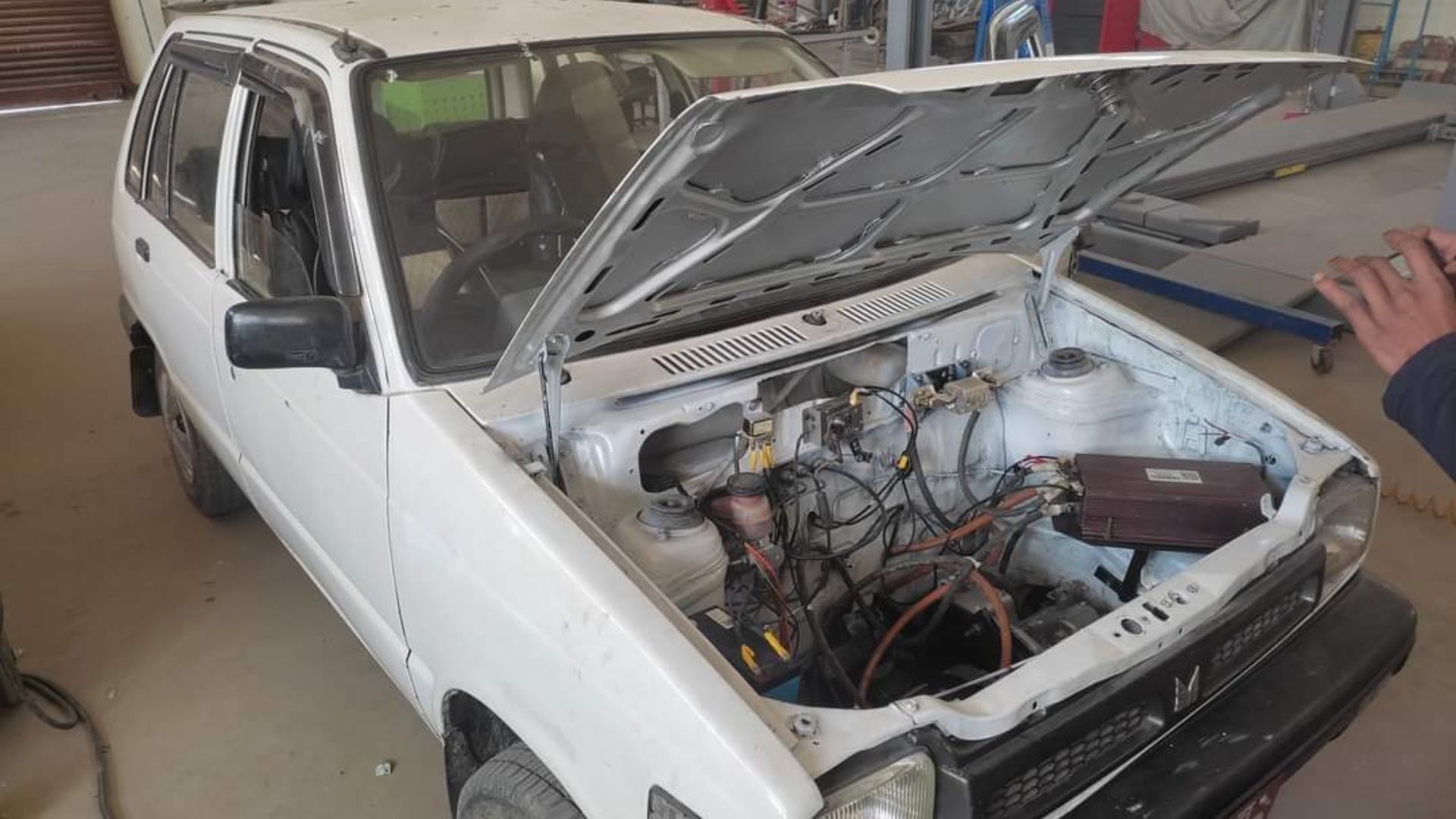
    https://carandbike24.com/total-cost-of-conversion-from-petrol-to-electric-car/In the last few years, electric vehicles have become more popular and accessible than ever. As a result, many people are looking into converting their Petrol to Electric Car. 

    This article aims to educate you on whether it’s feasible for you and your car to convert from gas to electric. If you’ve thought about converting your car or truck from gas to electric power, the first thing you need to know is how much it will cost you. 

    While it’s not an overly expensive venture, there are still expenses associated with the conversion process. Luckily, we have this handy guide that explains everything you need to know about converting your car or truck from gas to electric power.

    What’s included in the Total Cost to Convert a Car?

    While the cost of converting a gas-powered car to electric varies from vehicle to vehicle, and location to location, there are a few specific items that you need to purchase when converting a gas-powered car to an electric one.

    You’ll need to purchase an electric motor, an inverter, a transmission controller, an electric battery, a battery management system, an electric charger, and a few other miscellaneous items.

    The Parts You Need to Convert a Car to Electric Power

    The first thing you’ll need to do when converting a car to electric power is to purchase a motor.

    The motor you buy will vary depending on the make and model of your vehicle. Essentially, you’ll need a motor that can handle the power output of your car. When converting a car to electric power, you’ll also need a transmission controller. This device transmits the power from the motor to your wheels. An inverter will change the direct current (DC) from the batteries into alternating current (AC), which can be used by your car.

    How Much Does an Electric Car Battery Cost?

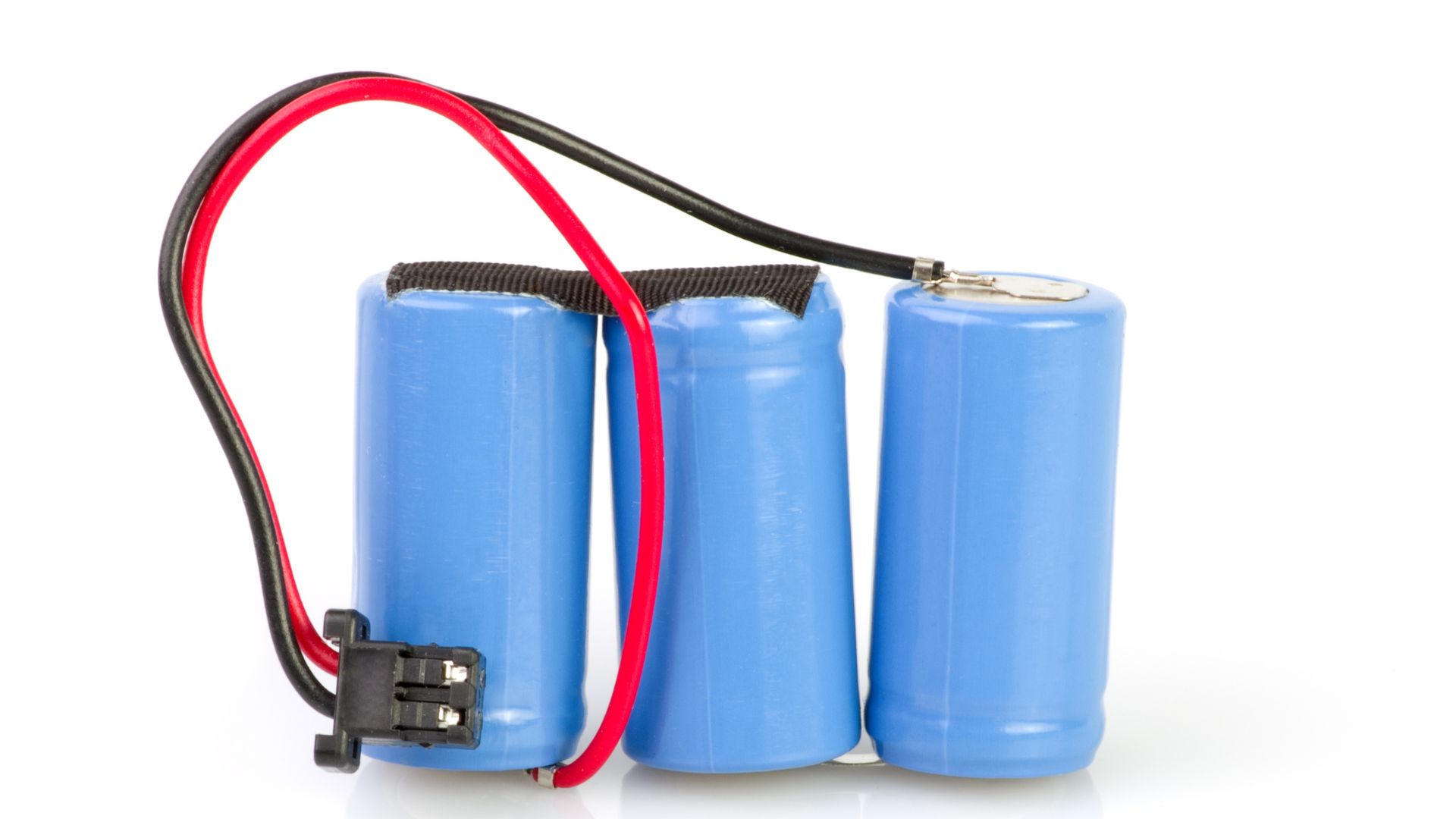
    A large part of converting your car to electric power is installing a battery. You can purchase a regular lead acid battery, like the ones used in golf carts or forklifts, or a lithium-ion battery like those used in electric cars. Different batteries will have different prices. Lead acid batteries are typically much less expensive than lithium-ion batteries. 

    However, lithium-ion batteries have a longer lifespan and are more efficient.

    How Much Does It Cost to Convert a Gasoline Car to an Electric One?

    The cost of converting a gas-powered car to electric power varies depending on the make and model of your vehicle. The cost can be anywhere from 50,000 to 3 lakhs or more. The average price to convert a gas-powered car to electric power is around 1.25 lakhs. 

    You can, of course, find cheaper ways to convert your car to electric power. You can modify a vehicle you already own to run on electric power for a lot less than 75,000. 

    However, the more affordable way to convert a gas-powered car to electric power probably won’t last as long as a more expensive option.

    Is Converting Your Gas-Powered Car Worth It?

    If you decide to convert your gas-powered car to an electric one, it’s important to remember that the switch isn’t a permanent one.

    Electric cars are generally more expensive than their gas-powered counterparts, and they don’t last as long. You also probably don’t have the infrastructure necessary to charge an electric vehicle in your area. If you want to take advantage of the lower prices of gas-powered vehicles, but you also want to own an electric vehicle, you have a few options.

    You can drive your electric vehicle on the weekends when you don’t need to travel long distances and can charge it at home. Or, you can convert your car to run on both gasoline and electric power so that you have the benefits of both types of vehicles.

    Final Words: Should You Go Through With the Conversion?https://carandbike24.com/total-cost-of-conversion-from-petrol-to-electric-car/

    Converting your gas-powered car to electric power is a significant undertaking. Not only do you have to purchase a new motor and batteries, but you also have to install a new transmission controller and charger.

    Because of this, it’s important to be sure that you want a gas-powered car in the first place. If your car is in good condition, it may be worth the money to fix it up and run it on gasoline for another 10 or more years. If your car is on its last leg, however, converting to electric power may be the best choice for you.
  • Lithium Ion Battery Manufacturing Process- Step by Step

    Lithium Ion Battery Manufacturing Process- Step by Step

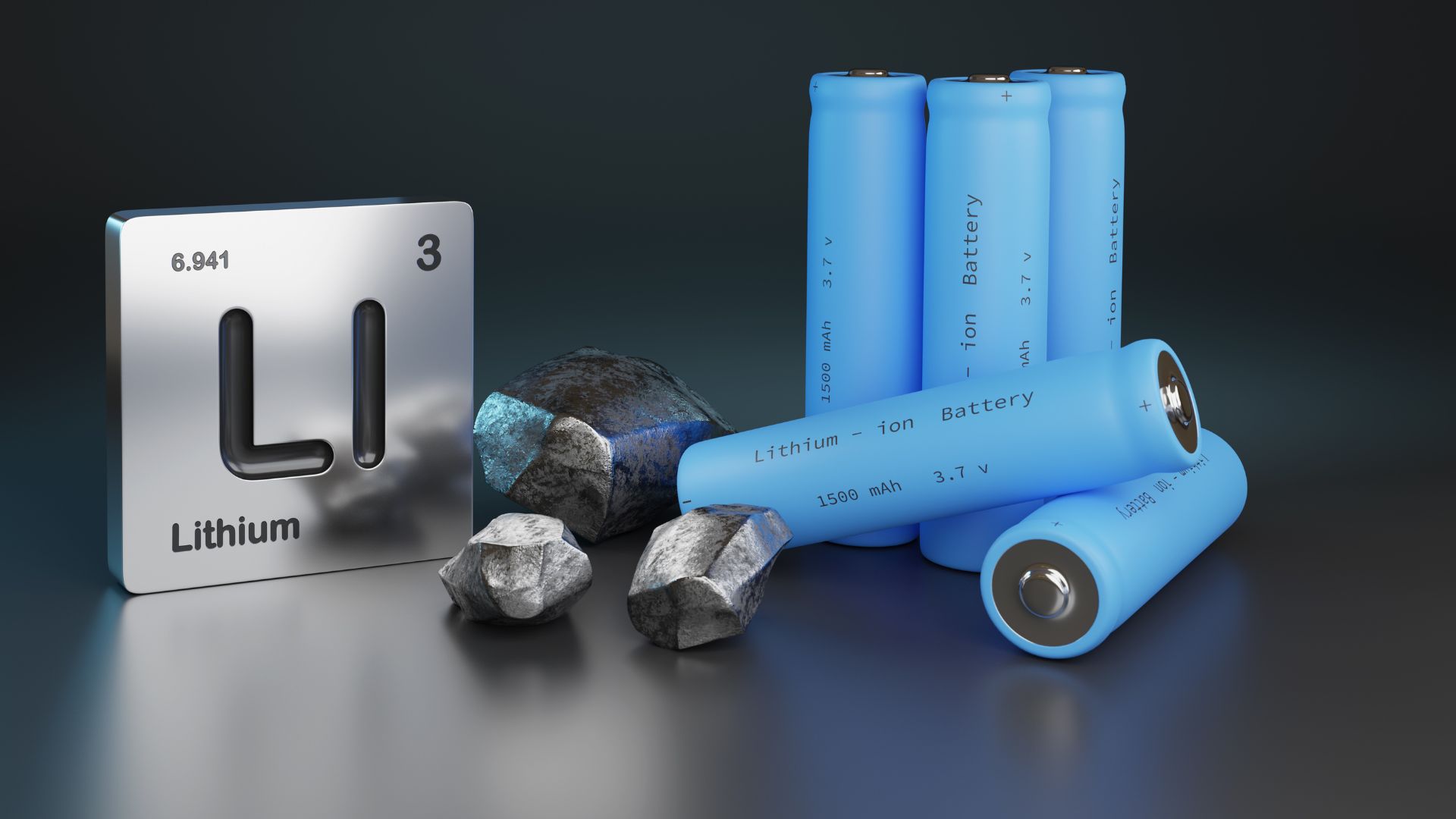
    https://carandbike24.com/lithium-ion-battery-manufacturing-process/Lithium-ion batteries are used in a wide range of applications, from computers and cellphones to electric cars and drones. The manufacturing process for these batteries is fairly complex, but the general principles remain the same across all variations. There are several different ways in which manufacturers produce lithium-ion batteries, with each process having its own pros and cons. 

    In this article, we will explain the lithium-ion battery manufacturing process in detail.

    First, we’ll look at the main advantages of lithium-ion batteries over other battery types. Then we’ll explore the various ways in which manufacturers create them. Finally, we’ll take a detailed look at each step of the manufacturing process for lithium-ion batteries.

    Why use Lithium Ion Batteries?

    Lithium-ion batteries are popular for several reasons. First and foremost, lithium is a very lightweight metal, making it ideal for use in batteries. Lithium-ion batteries are highly energy-dense, meaning that they can store a large amount of energy in a small space.

    This property is especially useful in applications where space is a major concern, such as with aircraft. Lithium-ion batteries also have a very high discharge rate, which is advantageous in applications where speed is essential. They also have a very low self-discharge rate compared to other battery types. This means that lithium-ion batteries can be used in situations where the battery must remain in the device at all times.

    Finally, lithium-ion batteries have an excellent lifespan, especially when compared to other rechargeable battery types.

    Different Types of Lithium Ion Batteries

    https://carandbike24.com/lithium-ion-battery-manufacturing-process/

    There are many different types of lithium-ion batteries, each with its own characteristics. The manufacturing process is slightly different for each variation.

    Here are the different types of lithium-ion batteries and what distinguishes each type from the others. –

    • Lithium Cobalt Oxide Batteries – These are the most common type of lithium-ion battery. They are used in all kinds of devices, from cellphones to computers and electric cars.
    • Lithium Manganese Oxide Batteries – These are cheaper and less powerful than lithium cobalt oxide batteries. They are used in situations where high discharge rates are not required.
    • Lithium Iron-
    • Phosphate Batteries – These batteries have the highest energy density of all lithium-ion batteries. As such, they are used in electric cars and other high-power devices.
    • Lithium Nickel Manganese-
    • Cobalt Batteries – These batteries have a longer lifespan than lithium cobalt oxide batteries. They are used in electric cars, drones, and other devices where a longer lifespan is desirable.

    Manufacturing Process of Lithium Ion Batteries: Step by Step

    https://carandbike24.com/lithium-ion-battery-manufacturing-process/

    The manufacturing process for lithium-ion batteries can vary depending on the type of battery being produced. However, there are some steps that are common to all variations. Here’s a look at the manufacturing process for lithium-ion batteries. First, the raw materials for lithium-ion batteries are mined.

    The main components are graphite and lithium, but other elements are sometimes mined as well. After mining, the materials are processed to extract the lithium ions. The electrodes are then created from carbon (graphite) and lithium metal. The electrodes and electrolytes are then combined to create the cathode and electrolyte. The anode is created from lithium-metal again.

    A separator is inserted between the anode and electrolyte, and the entire cell is sealed. The finished battery is then tested and packaged.

    Step 1: Lithium Extraction

    The first step of the manufacturing process for lithium-ion batteries is extracting the lithium. This is done in a couple of different ways, depending on the type of lithium-ion battery.

    The two methods for extracting lithium are solvent extraction and carbonate conversion.

    • Solvent Extraction – This method uses an aqueous solution to extract lithium from its ore. The ore is treated with hydrochloric acid and dissolved in an organic solvent. Next, an ion exchange method is applied to ionize the lithium in the solvent.
    • Carbonate Conversion – This method uses a mixture of sodium carbonate and carbon dioxide to dissolve lithium in the water. The solution is then separated and filtered to remove impurities and obtain lithium carbonate.

    Step 2: Anodization and Coating

    Next, manufacturers create the anode and cathode. The electrodes are created from a mixture of graphite and lithium metal. The electrodes are then anodized and coated.

    • Anodization – The electrodes are treated with a chemical solution that oxidizes the surface of the electrodes. The anode is then immersed in an electrolytic solution to form a porous layer on the surface of the electrodes. The cathode is treated with a different chemical solution to produce a non-porous layer.
    • Coating – The electrodes are then coated with a solid polymer electrolyte. The cathode is coated with a lithium-containing electrolyte, while the anode is coated either with a polymer electrolyte or graphite.

    Step 3: Battery Formation and Assembly

    After the electrodes are formed, the electrodes and electrolytes are combined to create the cathode and electrolyte. Next, the anode is inserted into the cathode, and the entire cell is then sealed.

    • Cathode and Electrolyte Combination

    The cathode and electrolyte are placed in a vacuum chamber, and pressure is applied to force the two materials together. A compound is added to the electrodes to give them rigidity while retaining flexibility.

    • Anode Insertion –

    The anode is placed in a graphite die, and pressure is applied to force it into the cathode. The entire cell is then placed in a vacuum chamber and heated to 180 degrees Celsius. The pressure of the vacuum chamber forces the two electrodes together.

    • Cell Sealing –

    The chamber is then again subjected to a vacuum as the cell cools down to room temperature, causing the electrodes and electrolytes to be in an extremely tight fit.

    Step 4: Storage and Testing

    After the battery is manufactured, it is put through a series of tests to ensure that it meets quality standards. The cells are charged and discharged to check their discharge rate. Further tests are carried out to ensure that the cell voltage and energy are correct. The batteries are then stored before being packaged and shipped to customers.

    In order to maintain their lifespan, lithium-ion batteries must be stored properly. The batteries should be kept at a cool and dry temperature between -20 degrees Celsius and 25 degrees Celsius. They should also be stored at a low humidity level of less than 50%.

    Finally, lithium-ion batteries should be kept away from sources of high heat, sparks, or flames.

    Summing up

    This article has explored the manufacturing process for lithium-ion batteries in detail.

    Lithium-ion batteries are very useful for a variety of applications, ranging from cell phones to electric cars. Their popularity is due to the fact that lithium-ion batteries are highly energy-dense and have a very high discharge rate. They also have a very low self-discharge rate and an excellent lifespan.

    The manufacturing process can vary slightly depending on the type of battery being produced. Still, there are a few steps that are common to all types of lithium-ion batteries. First, the raw materials for lithium-ion batteries are mined. Next, they are processed to extract the lithium ions.

  • August 2022 Electric Vehicle Sales- Highlights

    August 2022 Electric Vehicle Sales- Highlights

    https://carandbike24.com/2022-august-electric-vehicle-sales-highlights/

    Electric Two-Wheeler Sales Report- August 2022

    Electric vehicles are booming in India, and the electric two-wheeler sector, in particular, is growing month after month. Check Here August 2022 Electric Vehicle Sales – Highlights

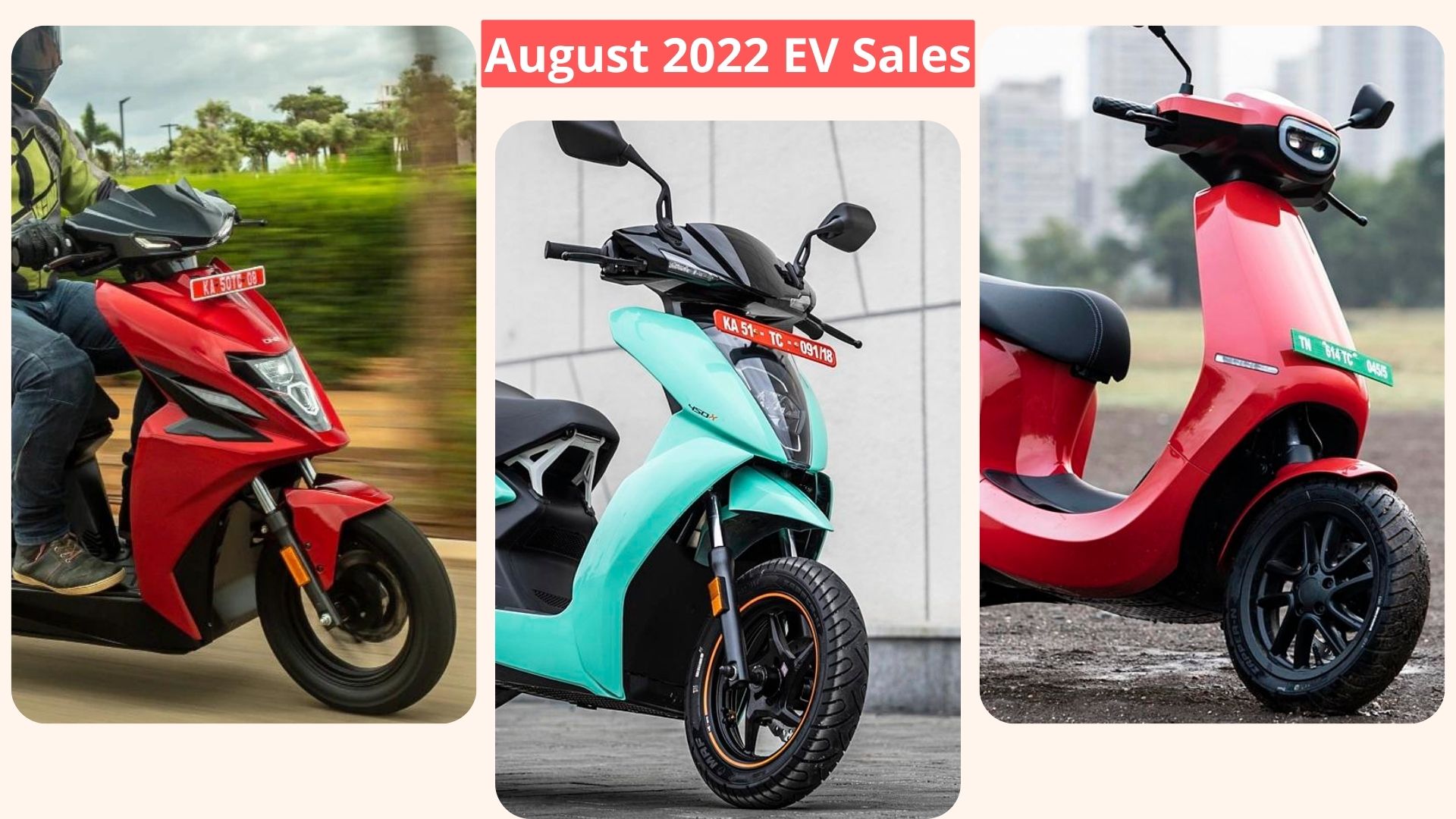
    In the month of August 2022, Hero Electric topped the list by selling 10,476 units in a month and Okinawa Autotech retains the second position in the list with sales of 8,554 in the month. At the third position after Ampere Vehicles with sales of 6,396 units and Ather Energy at the fourth position with sales of 5,239 units in the month of August.

    Read More: Top Electric Vehicle & Battery Stocks

    Rank Company’s Name  Units sold in the months of August
    1 Hero Electric 10,476
    2  Okinawa Autotech 8,554
    3 Ampere Vehicles 6,396
    4. Ather Energy 5,239
    5. Ola Electric 3,421
    6. Revolt Motors 1,646
    7. Benling India 1,045
    8.  Okaya EV 878
    9. Pure EV 875

    Read More: Top 10 made-in-India electric two-wheeler companies

  • Why do electric scooters look similar? Big Reason

    Why do electric scooters look similar? Big Reason

    https://carandbike24.com/author/carandbike24/page/24/China is currently the global leader when it comes to electric two-wheeler manufacturing. They have a robust manufacturing ecosystem that produces these vehicles as they are no big deal, just another product for people to buy because they have a solid electric two-wheeler manufacturing ecosystem in the country.

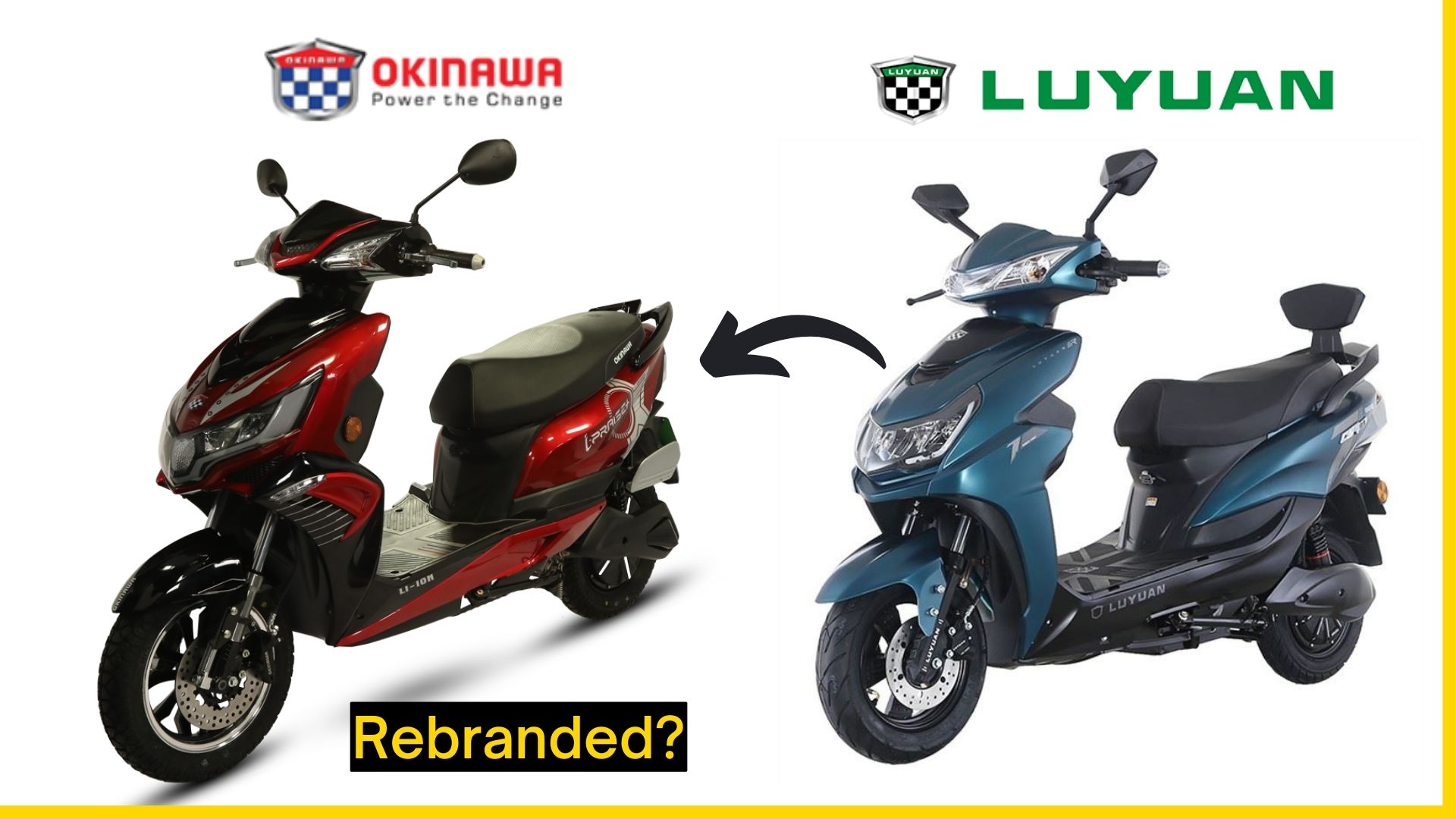
    But things are different in India. A domestic, made-in-India- electric two-wheeler that is not a Chinese import is rare to find. and we have a lot of Indian companies selling these electric two-wheelers with their own branding and logo, but these scooters are not actually designed or manufactured in India.

    These Indian companies are acting as middlemen, importing from Chinese manufacturers and then assembling in India, which is why most of the electric vehicles currently available in India are similar in looks.

    Problems with Chinese Electric Scooters?

    Chinese products are everywhere in India!

    We’ve got smartphones from companies like Vivo, and Chinese automobiles from brands like MG that are owned by SAIC Motor, but in electric two-wheelers, it’s a bit more subtle, as these scooters are not being sold directly by the Chinese but it sold by Indian companies which are wholly owned by Indians with Indian branding.

    And it becomes problematic when companies don’t make it clear where their two-wheelers are coming from and being made, when they say their products are made in India, made for India, but then you Check out Chinese EV manufacturer websites, and you get to know that their electric scooters look very similar to those of the Indian company.

    Read more: New Mahindra Scorpio-N All Variant Price?

    right now there is a big part of this Indian electric two-wheeler industry that is being heavily supported by China, even if this support is indirect. And every Indian company that chooses to trust Chinese companies is missing out on a huge opportunity for India. They should slowly but surely build up their two-wheeler manufacturing capabilities in India. And as more and more startups start manufacturing their own electric two-wheelers, the collective industry strength in the country will grow.

  • Skoda introduces a new brand identity and electric Vision 7S

    Skoda introduces a new brand identity and electric Vision 7S

    https://carandbike24.com/skoda-introduces-a-new-brand-identity-and-electric-vision-7s/ŠKODA AUTO unveils new brand identity and accelerates e-campaign

    • New design language, new logo and comprehensive corporate identity update
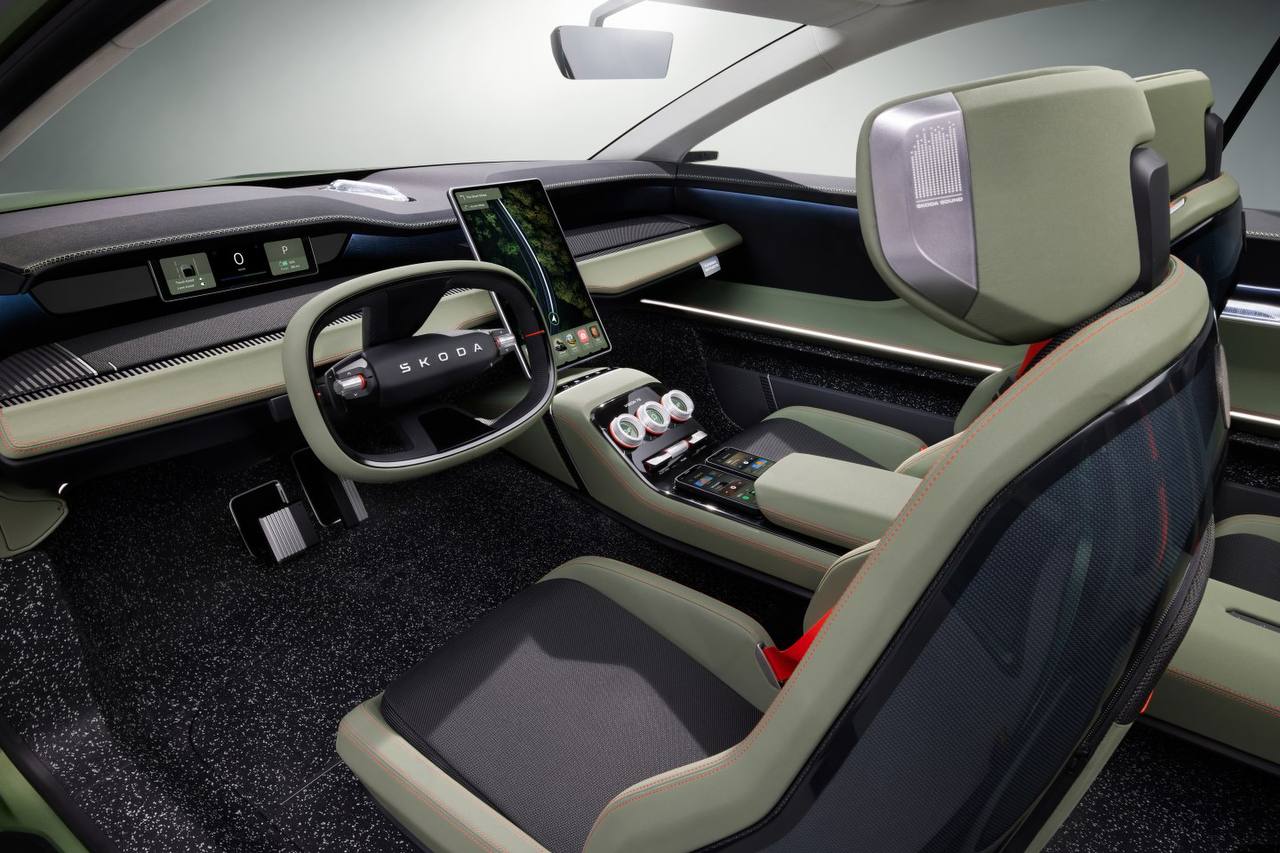
    • ŠKODA VISION 7S concept study gives a specific preview of an entirely new e-model 
    • Accelerated e-campaign: Three new models as early as 2026, more to follow
    •  ŠKODA AUTO to invest a further €5.6 billion in e-mobility and €700 million in digitalisation over the next five years

    ŠKODA AUTO is presenting its new brand identity as part of the NEXT LEVEL – ŠKODA STRATEGY 2030. The focus is on a new design language, a new logo and comprehensively updating the corporate identity (CI).

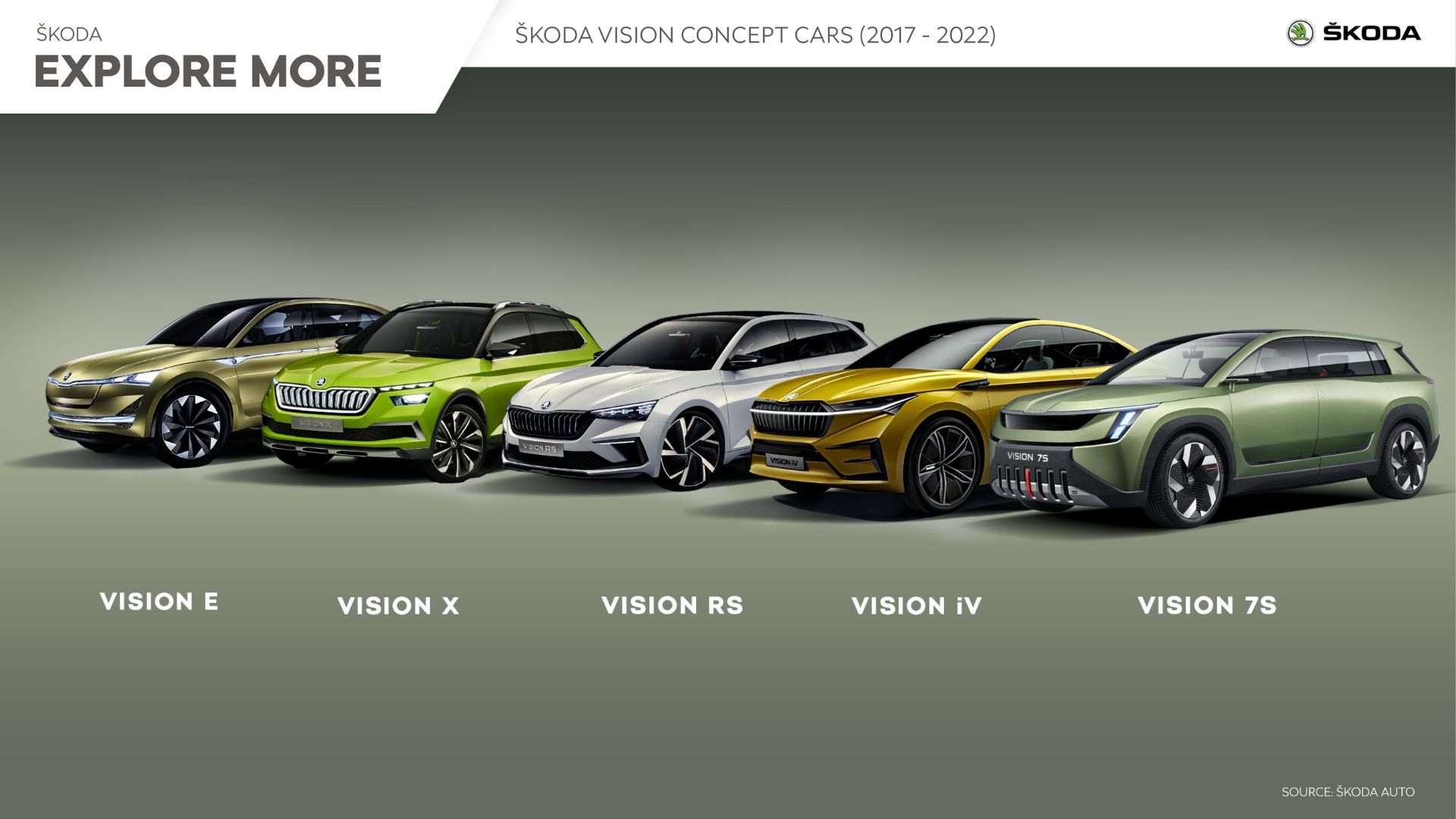
    In addition, the Czech car manufacturer is accelerating and expanding its e-campaign: ŠKODA AUTO is going to have three new all-electric models on the market as early as 2026, with more to follow. The VISION 7S concept study provides a specific preview of one of these models.

    The all-electric share of the SKODA brand’s European vehicle sales will rise to over 70% by 2030. To support this, the Czech car manufacturer will be investing a further €5.6 billion in e-mobility and €700 million in digitalisation over the next five years.

    Accelerated e-campaign:

    Three new models already by 2026, more to follow The Czech carmaker is significantly accelerating its e-campaign and will be launching three more all-electric models as early as 2026. Besides a small car, there are plans for a compact SUV and a seven-seater for families.

    The VISION 7S concept study, with its range of over 600 kilometres and peak charging rate of 200 kW, offers a specific preview of the seven-seater electric SUV. ŠKODA AUTO is aiming for a share of all-electric models in Europe of over 70% by 2030.

    During the transition phase to e-mobility, the brand is strengthening its product portfolio of highly efficient combustion engines and will be unveiling the new-generation SUPERB and KODIAQ in the second half of next year. The refreshed OCTAVIA will follow in 2024.

    ŠKODA VISION 7S: Seven-seater SUV based on the MEB with a 600+ km range

    The VISION 7S provides the first specific preview of an all-new ŠKODA model and at the same time showcases the brand’s new design language.

    The all-electric SUV offers generous space for up to seven passengers and numerous Simply Clever details, rounding off the top end of the carmaker’s product portfolio and customer base. The concept study is based on the Volkswagen Group’s Modular Electrification Kit (MEB) and has an 89 kWh battery. This delivers a maximum range of over 600 kilometres in the WLTP cycle.https://carandbike24.com/skoda-introduces-a-new-brand-identity-and-electric-vision-7s/ https://carandbike24.com/skoda-introduces-a-new-brand-identity-and-electric-vision-7s/ https://carandbike24.com/skoda-introduces-a-new-brand-identity-and-electric-vision-7s/

    New design language, new logo and corporate identity update ŠKODA AUTO has created a new design language for the electric and digital age, which will gradually be rolled out starting next year. It is defined by clear, reduced lines that emphasise the simplicity and value of ŠKODA’s new models. Characteristic elements of the new design language include the new front end with a so-called Tech-Deck Face and sustainable materials in the interior.

    The new brand logo no longer uses sculptural 3D graphics. This is ŠKODA’s response to a growing shift in marketing activities from print to online. The Cl has also been substantially revised; in terms of colour, ŠKODA AUTO will now be using two different green hues – Emerald and Electric Green, which represent ecology, sustainability and electromobility.

    https://carandbike24.com/skoda-introduces-a-new-brand-identity-and-electric-vision-7s/

    Ambitious sustainability targets along the entire value chain ŠKODA AUTO is a strong advocate of sustainability along the entire value chain. For example, the company is committed to using electricity from renewable sources. In Mladá Boleslav, producing batteries directly at the plant ensures short transport distances, with the carmaker using two electric trucks for this purpose.

    From 2030, the Czech and Indian plants will be manufacturing cars with net-zero emissions. The Vrchlabí plant is leading the way; the site has already been CO2-neutral since 2020.

    https://carandbike24.com/skoda-introduces-a-new-brand-identity-and-electric-vision-7s/

    ŠKODA is also committed to sustainability in its products: An ENYAQ IV uses 13 kilograms of recycled plastics recovered from end-of-life battery cases and bumpers. The recycling rate for steel used in the body is 40%, while the aluminium recycling rate is as high as 60%. The side windows are made of 20% recycled glass. In the interior, the ENYAQ IV also offers seat covers made of 40% virgin wool and 60% recycled PET bottles.

    At the same time, ŠKODA AUTO has enlisted the support of a Sustainability Advisory Council to implement its ambitious sustainability goals. The five internationally experienced members provide new impetus and suggestions for current and future measures related to sustainability. This way, they promote a more versatile dialogue on sustainability topics between the car manufacturer and its stakeholders.

  • More Torque than a Ferrari? Verge hubless electric motorbike

    More Torque than a Ferrari? Verge hubless electric motorbike

    https://carandbike24.com/verge-ts-hubless-electric-motorcycle-price/

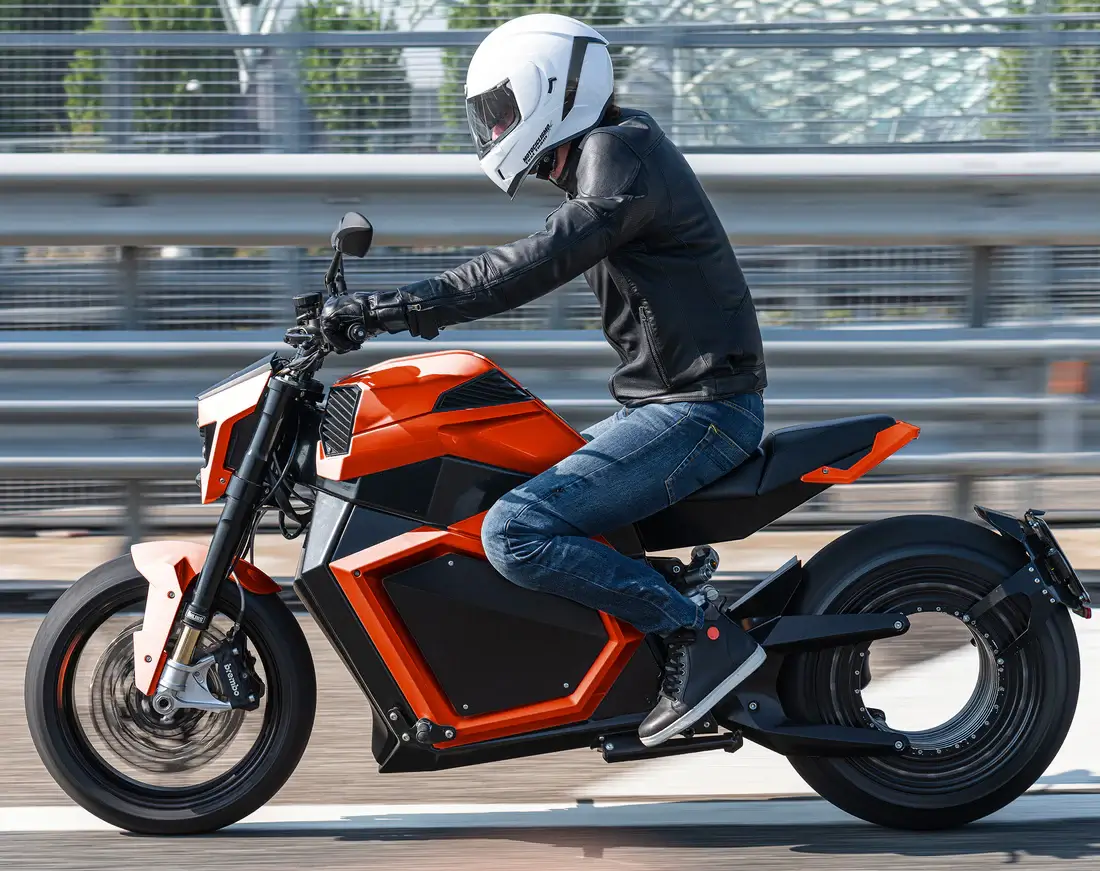
    The Verge TS electric motorcycle was unveiled at the 2019 EICMA. The Verge hubless electric motorcycle is priced at EUR 24,990, which is roughly Rs 20.41 lakh in Indian Rupees.

    The Verge TS offers a range of 300km in the city and 200km on the highway.


    Finland-based electric two-wheeler startup Verge Motorcycles is all set to formally launch RMK Vehicles Corporation its first electric motorcycle, which will offer a range of 300 km in the city and 200 km on the highway. The electric motorcycle is packed with a fully integrated electric motor and a 20.2 kWh battery pack.

    Read More: New Mahindra Scorpio-N All Variant Price? Specs

    The “Verge TS” hubless electric motorcycle has been gaining popularity on the Internet for quite some time, especially for its first hubless electric motorcycle. The motorcycle has traveled a lot and was shown at the 2019 EICMA, from concept to production stage it took almost 4 years to get into final production.https://carandbike24.com/verge-ts-hubless-electric-motorcycle-price/

    Moreover, Verge Motorcycles is about to create the ultimate electric experience on two wheels with the most unique combination of design and functionality within the motorcycle industry.

    Verge TS electric motorcycle Price?

    The pre-orders for the Verge TS electric motorcycle have now been started with a token amount of 2,000 EUR (approximately Rs 1.63 lakh in Indian Rupees).

    The Verge TS Hubless electric motorcycle cost nearly EUR 24,990, (which is approximately Rs 20.41 lakh in India Rupees)https://carandbike24.com/verge-ts-hubless-electric-motorcycle-price/

    Verge TS Electric Motorcycle Range & Specs?

    The Motorcycle comes with an 80kW motor, which is capable of churning out a tire-shredding 1000 Nm at the wheel. And if we talk about its acceleration speed, then it is capable of reaching 0-100kmph in less than 4 seconds. The top speed is limited to 180 mph. https://carandbike24.com/verge-ts-hubless-electric-motorcycle-price/

    This electric motorbike is loaded with a lithium-ion battery pack, which is claimed to offer an insane range of 300 km in the city and an equally impressive 200 km on the highway.

    The best part of this motorbike is, that using a DC charger via CCS, 15 minutes of charging will give you a range of 100 km, and in about 45-50 minutes it will be fully charged from 0 to 100%.

    • Peak power: 102 kW
    • Max torque: 1000nm
    • Range: 300+ km city / 200km highway
    • Top speed: 180km/h
    • Ride Modes: Eco, Highway, Max, Custom
    • Charging: AC – 5 hours / DC CCS – Up to 40 minutes (15min = 100km)
    • Wheelbase: 1540mm
    • Seat height: 775mm
    • Weight: 249kg
  • Gensol Group to Launch Affordable Electric Car by 2023

    Gensol Group to Launch Affordable Electric Car by 2023

    https://carandbike24.com/gensol-upcoming-electric-car-under-7-lakhs/

    • Gensol Upcoming Electric Car under 7 Lakhs by 2023

    Now it is confirmed that Ahmedabad-based Renewable energy company, Gensol Group is working on an Affordable Electric Car by 2023.

    Anmol Jaggi (co-founder of blu smart mobility) has shared a post on LinkedIn stating “New baby on the way – Gensol Group’s Electric Vehicle manufacturing plant at Chakan, Pune under full flow construction. We hope to roll out our first cars in January 2023. Super efforts by Pratik Gupta & Pranay Mundra to build this product”

    https://twitter.com/AnmolJaggi/status/1555385279665807360

    https://carandbike24.com/gensol-upcoming-electric-car-under-7-lakhs/This electric car (seen in the images) will be a small hatchback electric car, set to be launched on January 2023, and is expected to be priced under ₹ 7 lakh (ex-showroom) in India.
    Read More: Mahindra XUV 700 Crashed in Tamil Nadu– Images

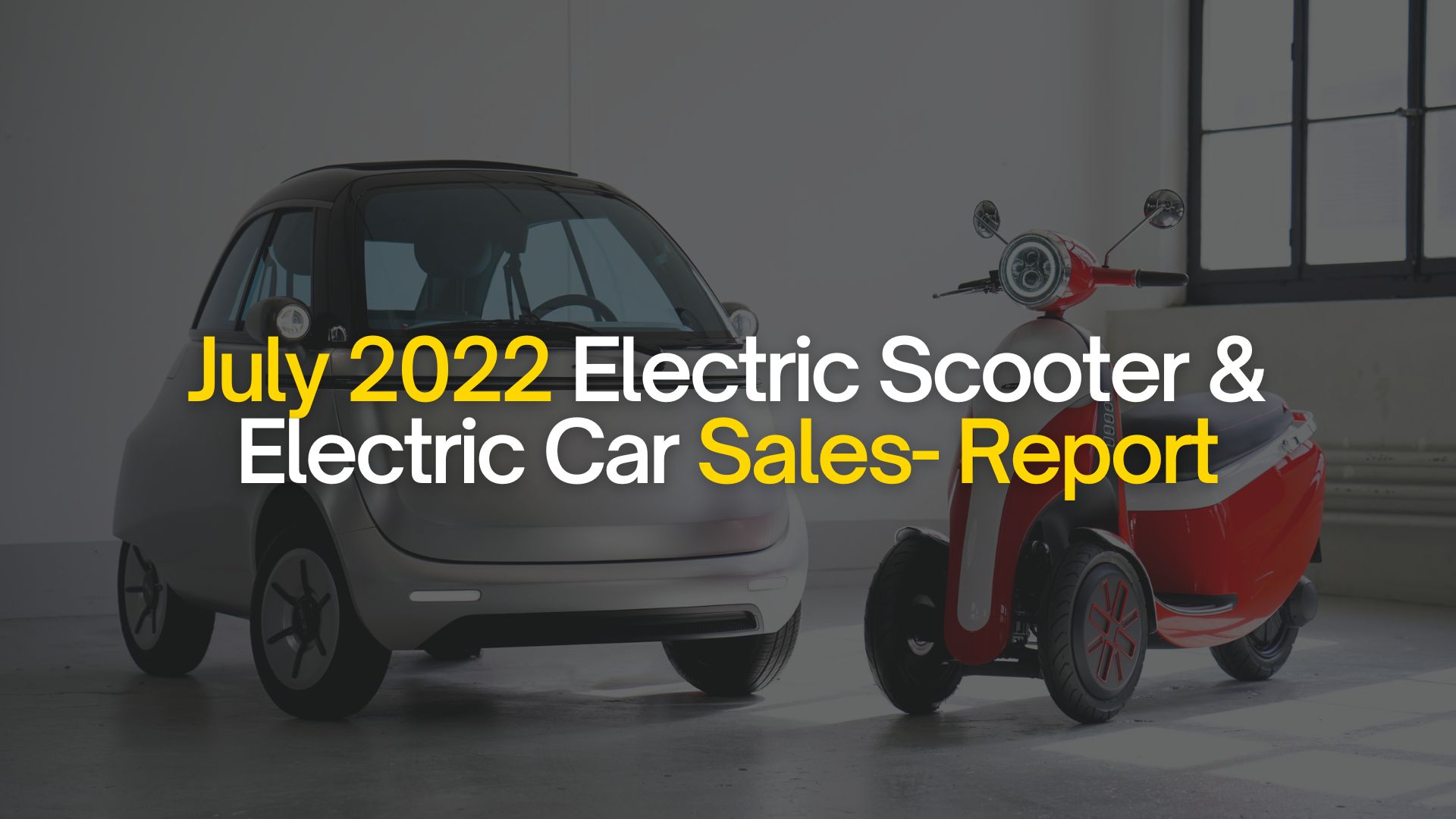
  • July 2022 Electric Scooter & Electric Car Sales- Report

    July 2022 Electric Scooter & Electric Car Sales- Report

    https://carandbike24.com/july-2022-electric-scooter-electric-car-sales-report/Hero Electric tops the July EV sales and sold 6,504 electric scooters with month-on-month growth of 35%. and Okinawa retains its 2nd position with sales of 8,786 in July and month-on-month growth of 17%. 

    Hero Electric and topped the two-wheeler sales for the month while Ather & Ola saw a significant drop; The momentum in the overall EV market remains steady, and overall sales across India have doubled.

    July 2022 Electric Two Wheeler sales:

    Company  Units sold in June 2022 Units sold in July 2022 M-o-M Growth (%) Units sold in July 2021 Y-o-Y Growth (%) 
    Hero Electric 6,504 8,786 35% 4,223 108%
    Okinawa 6,944 8,093 17% 2,580 214%
    Ampere 6,541 6,312 -4% 657 861%
    TVS Motors 1,946 4,244 118% 648 555%
    Ola Electric 5,886 3,852 -35%
    Bajaj Auto  1,798 2,418 34% 728 232%
    Revolt 2,424 2,316 -4% 317 631%
    Ather Energy 3,829 1,279 -67% 1,799 -29%
    Being India 959 1,166 22% 473 147%
    Okaya EV 5,006 5,793 16% 1,944 198%
    Total e2W Sales 41,837 44,259 6% 13,369 231%

    July 2022 Electric car sales list:

    • Tata Motors- 4,022
    • MG Motor India- 257
    • Hyundai Motor India- 57
    • BYD India Private- 43
    • Mahindra & Mahindra- 26
    • Audi AG- 7
    • Porsche AG Germany- 6
    • BMW India Pvt Ltd- 5
    • Mercedes-Benz AG- 2
    • OTHERS- 6
    • TOTAL- 4431
  • Mahindra XUV 700 Crashed in Tamil Nadu- Images

    Mahindra XUV 700 Crashed in Tamil Nadu- Images

    https://carandbike24.com/mahindra-xuv-700-crashed-in-tamil-nadu/

    Mahindra XUV700 accident Tirupur, in Tamil Nadu. 

    Mahindra XUV700 head-on collision with a private bus. Accident near Dharapuram, Tirupur in Tamil Nadu.

    https://carandbike24.com/mahindra-xuv-700-crashed-in-tamil-nadu/
    Mahindra XUV700 Accident Tirupur with a private bus

    https://carandbike24.com/mahindra-xuv-700-crashed-in-tamil-nadu/ https://carandbike24.com/mahindra-xuv-700-crashed-in-tamil-nadu/

    Read More: New Mahindra Scorpio-N All Variant Price?

    https://carandbike24.com/mahindra-xuv-700-crashed-in-tamil-nadu/


  • eBikeGo New Muvi E-scooter variant for military

    eBikeGo New Muvi E-scooter variant for military

    https://carandbike24.com/ebikego-new-muvi-e-scooter-variant-for-military/

    • eBikeGo is set to launch the Muvi Electric scooter variant for Indian military duty.

    Electric vehicles offer some significant advantages over fueled vehicles. They are quiet, do not exhaust or release heat, and are not powered by highly flammable liquids.

    They are cost-effective to maintain and the onboard telematic device will be able to record a wide range of information about the vehicle’s performance.


    eBikeGo is an Indian electric mobility company founded in 2019 by Dr. Irfan Khan, based in Mumbai, India. eBikeGo provides rental electric bikes, a battery charging facility, AI-enabled telematics solutions, and various industry-related EV products and services.

    recently, eBikeGo has acquired manufacturing rights for the Muvi electric scooter, this electric scooter will be made in India and will be exported worldwide.

    The company is working on an electric moped named “eBikeGo Muvi

    eBikeGo Muvi Range and Specifications 

    The Muvi electric scooter is lightweight, weighing only 83 kg. It has a power of 4.1 CVS (3 kW) which is equivalent to 125 ccs. The Muvi electric scooter can go up to 100 km on a single charge in Eco mode and has a top speed of 60 km/ph.

    Now, the company’s founders have officially confirmed that a military version of its e-scooter will also be available for the country.

    Read More: Ola S1 Pro Disadvantages 

error: Content is protected !!