Warning: Constant WP_CACHE already defined in /home/u985655933/domains/carandbike24.com/public_html/wp-config.php on line 15 Get Latest Electric Car News - Prices, Range & Launches - Carandbike24
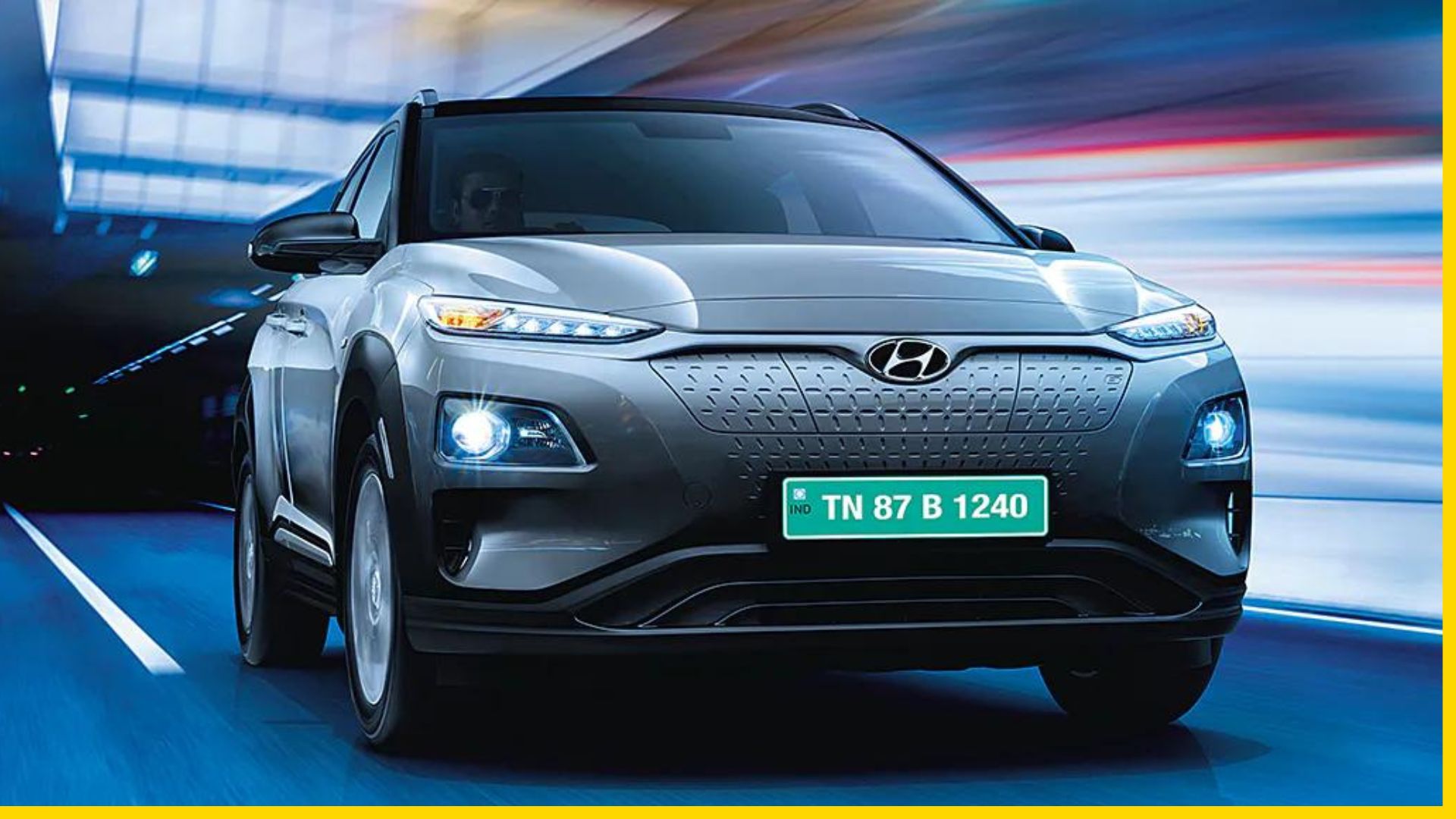
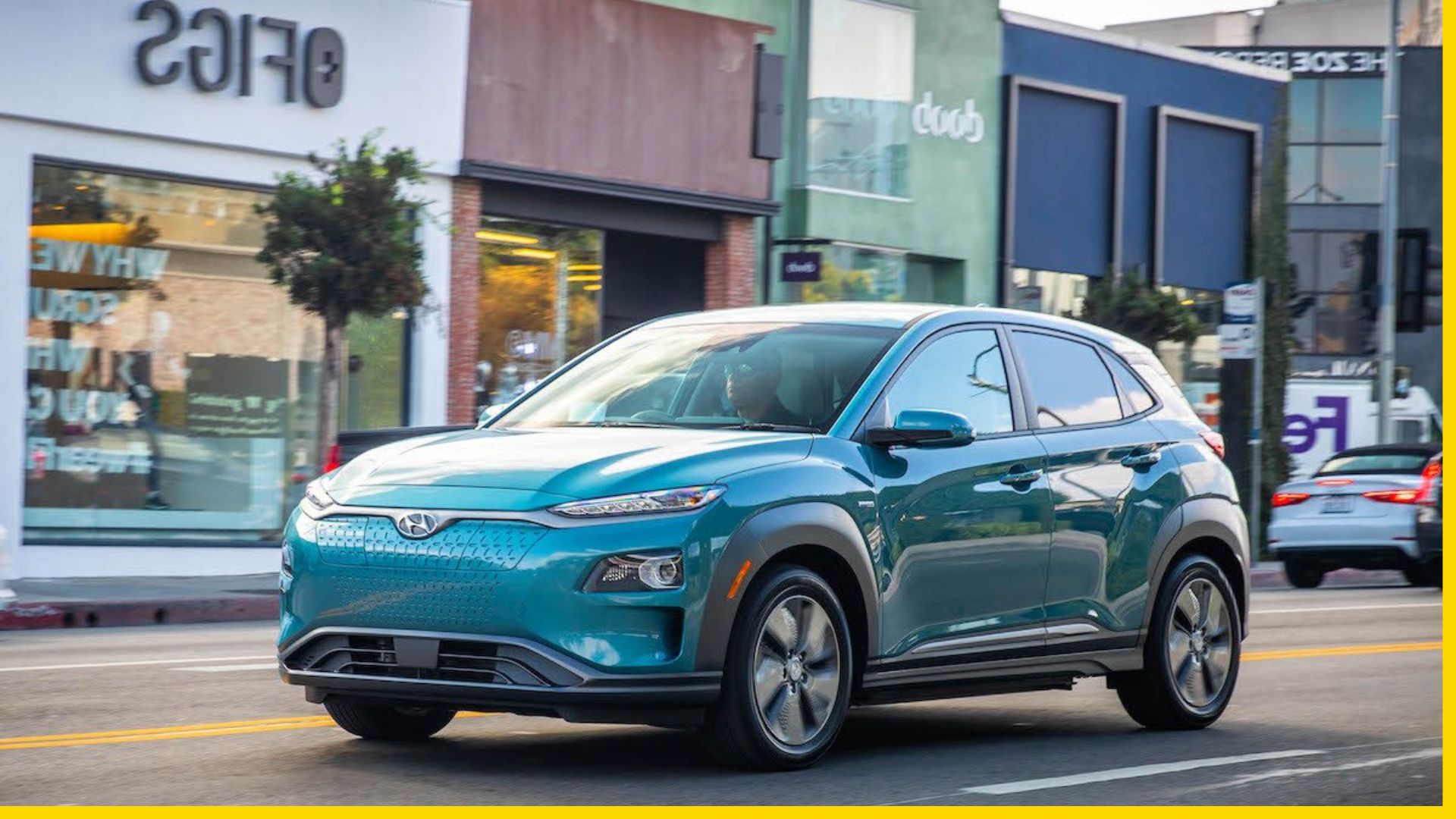
India is one of the fastest-growing economies in the world and is continuously promoting its manufacturing and industry sectors. Among them, a big name is also mobility and electric mobility. In the last few years, the maximum development of electric mobility has taken place in India. Many companies in India have manufactured new electric vehicles. one of them is Hyundai Motors which has launched the best electric car- Hyundai Kona Electric in India.
Hyundai Motors is a Korean company that has gained immense popularity in the world market by taking its product to the next level. After the immense success of its petrol/diesel version, the company is now entering the electric vehicle segment. In the last years, this company had launched its electric SUV in the market, which is named – Hyundai Kona Electric.
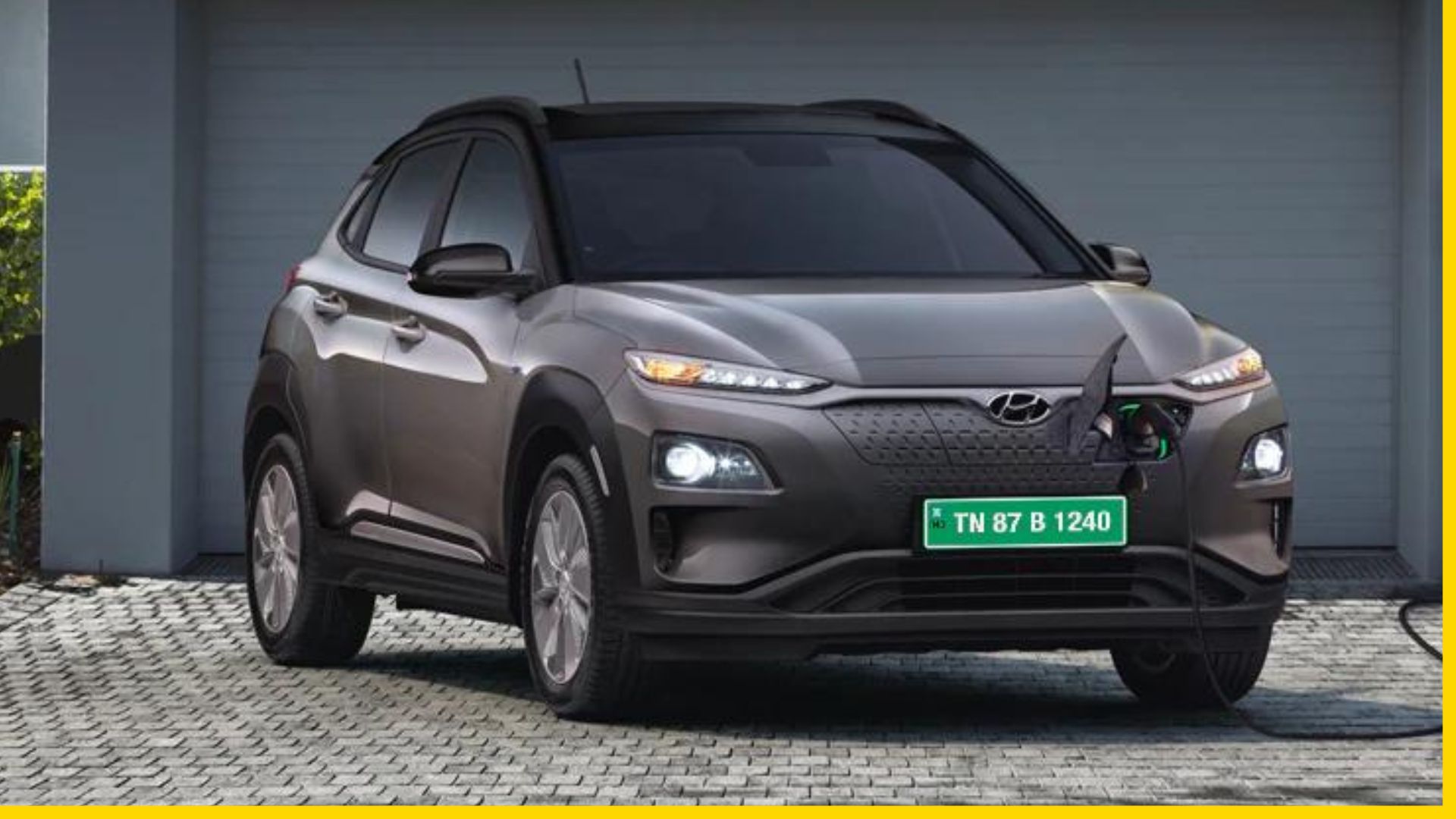
Hyundai Kona Electric Highlights- This Korean company launched its first electric SUV named Kona Electric in the Indian market on 9 June 2019. EV Enthusiast has been waiting for this electric car for a long time. It has been launched in the market in only one variant.
Kona Electric Look and Design – This electric SUV in appearance. Similar to its petrol/diesel version. Not much change has been made in its look. It gets 17-inch alloy wheels. Its body is made of plastic. Also, it also gets cladding on, the rooftop.
These are available in four different color variants – White, Silver, Blue, and Black. Also, it has dual tone color options – White and Black, for which you will have to pay an additional cost of Rs 20,000 / -.
Hyundai Kona Electric Features & Safety-
Let’s talk about the great features available in it
10-way Power-adjustable driver seat
Front Varinder & heated seat
Leader finishing steering wheel
Wireless Phone Charger
The 7-inch touchscreen infotainment system
Electric Sunroof
Power Window
Automatic Climate Control
Cruise control
Smart key & push-button start
LED DRLs, LED tail lamps
Along with this, some facilities are also available for safety like –
6 airbags
EBD with ABS
Electronic Stability Control
Heal assist
Guideline
Rear Camera
Tire pressure monitoring system
Kona Electric Specifications-
Now let’s talk about its specs.
Battery pack- 39.2 kWh lithium-ion battery
Max. Power – 136 PS
Max. Torque – 395 Nm
4 driving modes – There are four different driving modes available in this.
eco-mode
Eco + (plus) mode
Comfort mode
Sport mode
Acceleration Speed- According to the report given by the company, this electric SUV is only 9.7 sec. The speed of 0 to 100 km/ph catches in time.
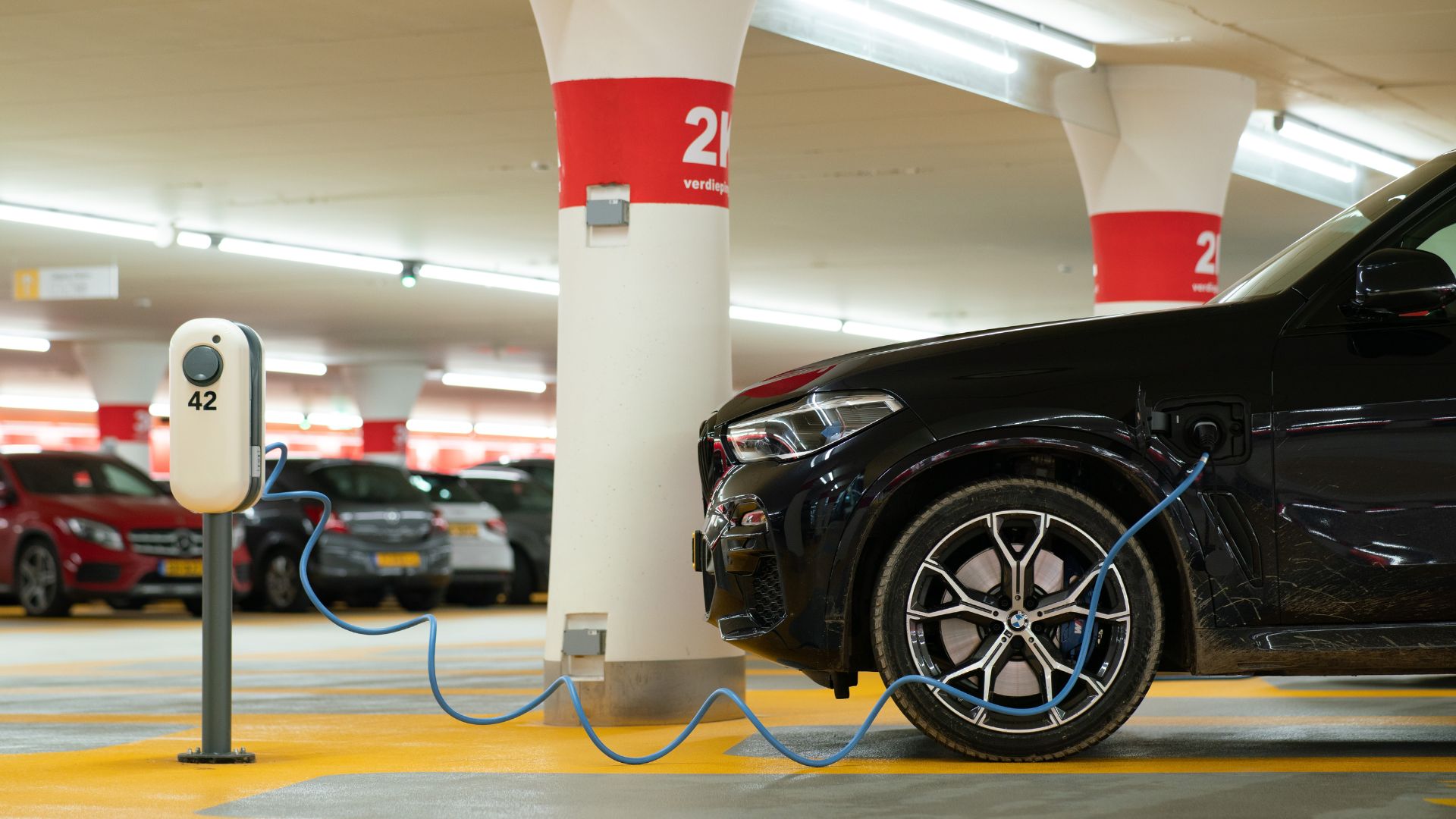
Charging Time- A DC fast charger is also available in this. It charges up to 0-80% in just 57 minutes with a 50kW DC fast charger. The same 7.2 kW AC home wall box charger gets a full charge in 6 hours and 10 minutes. It also has the option of a 2.3 kW small charger, which you can also put in the normal socket of the house. With this small charger, the battery gets fully charged in about 19 hours.
Warranty- Its battery gets a warranty of 8 years / 1,60,000 km and the SUV gets a warranty of 3 years.
Top Range- This electric SUV gets a range of 452 km/charge (ARAI-tested). This range is quite spectacular compared to the rest of the EVs available in the market.
Hyundai Kona Electric price in India
The price of this EV varies slightly depending on its color. Its price in India is between 23.84 to 24.03 Lakh. The difference of 20,000 in this is its dual tone color, for which you will have to pay extra. The price of all other colors is approx.
So this was the KONA EV, Hyundai’s first electric SUV and Highest Range Electric car on the road.
Latest Update – Hyundai Motors is preparing to launch its second electric car Hyundai IONIQ 5 in the Indian market soon. There are reports that this electric car will come to the Indian market by the end of 2022.
If you are looking for a way to reduce the environmental impact and reduce your monthly fuel cost, converting your old petrol car to an electric car may be the best solution for you.
Converting your petrol or diesel car to electric can result in significant savings on fuel, maintenance, and repair costs. It is also a great way to protect the environment and keep your car safe in the future.
However, converting a petrol car to an electric car is not easy and may seem like a huge task. and it is true! You will need to make modifications such as installing new components, reworking existing components, or even replacing some parts entirely with electricity.
Here’s everything you need to know about converting your petrol or diesel car to an electric car.
Benefits of converting your old petrol car to an electric car
There are many benefits to converting your car to an electric car, including:-
Reduction in the consumption of fossil fuels:
You don’t need petrol or diesel to drive an electric car. Instead, electricity generated from solar, wind, or hydroelectric sources can be used. You may also be able to use energy from your home to power your car, especially if you have an electric vehicle.
Enhanced Safety:
An electric car is safer for commuters and pedestrians because there are no toxic, flammable, or explosive gases. There are also fewer moving parts inside an electric car, which reduce the risk of malfunction or failure.
Low Maintenance Cost:
Electric cars have significantly fewer moving parts and are less likely to wear out than gas or petrol cars. In fact, electricity is the most reliable form of energy we have and is less likely to break down than other forms of fuel on Earth.
Low Emissions:
Electric cars emit no tailpipe emissions from the exhaust pipe. This is great for people who live in places where air pollution is an issue. Converting your car to an electric car is also better for the environment in the long run because you are reducing the need for fossil fuels, which are non-renewable resources.
Tax incentives:
Many countries, states, and cities (and most cities in India as well) offer tax incentives for buying electric vehicles.
In many places, you can also get a lower rate on your car insurance if you drive an electric car and will not charge a parking fee for your EV. You also get an incentive if you install an electric car charging station in your home.
What You Need to Know About Converting Your Petrol Car to Electric Car
Converting a car to electricity is a very involved process.
The first thing to do is to learn more about the type of car that you want to convert. This is important because each type of car has different components that you will need to convert.
Once you know the types of cars that you want to convert, you will then need to decide upon the type of electrical system that you would like to use.
There are three main types of electrical systems: –
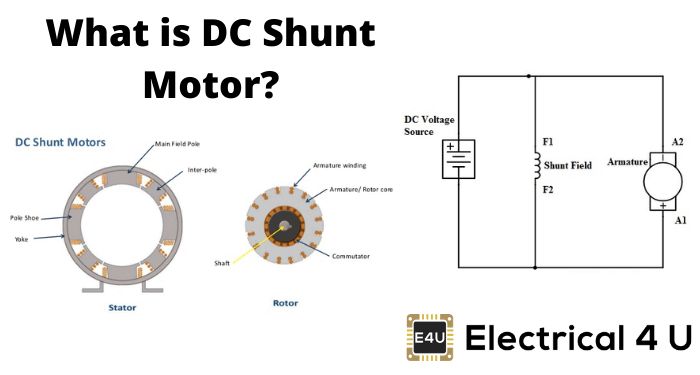
Series-Wound System:
Image Source: Electrical 4u
This system uses one or more electric motors and a single battery pack. It is the simplest system to build. However, it has a low top speed, and acceleration is very slow.
This system uses one or more electric motors and a single battery pack. It is essentially the same as the series-wound system, but with one important difference: the shunt-wound system uses a capacitor.
The capacitor stores a little bit of power and releases it to the series-wound system when needed. The shunt-wound system is the most common system used for electric cars. –
Parallel-Wound System:
This system uses two or more electric motors and two or more battery packs. The Parallel-wound system is best for high-speed cars because it has a low-resistance circuit. It is also ideal for cars that have a large range because it has a high-power circuit.
How to Convert petrol or Diesel Car to Electric?
Car Parts You’ll Need to Convert are:
Once you decide on the type of electrical system to include in your car, you’ll need to shop around for the parts you need.
It is important to note that the type of parts you will need will depend on the type of electrical system you decide to use. If you decide to use a series-wound system, you will need to purchase one or more electric motors. You will also need to purchase one or more batteries to go with the system.
If you choose a shunt-wound system, you will need to purchase one or more electric motors, a battery pack, and a diode. If you opt for a parallel wound system, you will need to purchase two or more electric motors, two or more batteries, and a circuit controller.
Rebuilding or Upgrading Your Existing Electrical System
If you decide to use a series-wound system, you will first need to rebuild your existing electrical system. This can be a difficult and time-consuming process, but it will be worth it in the end.
If you decide to use a shunt-wound system, you will need to upgrade your existing electrical system. You can do this by adding a capacitor to your system.
Installing an Electronic Controller and Electronic Motor
If you decide to use a series-wound system, you will need to install an electronic controller and an electric motor. An electronic controller is a device that provides instructions to the motor. You will need to install the controller and motor in the same place that your old starter used to be.
If you decide to use a shunt-wound system, you will need to install an electronic controller. The controller is usually installed near the battery pack. You will also need to install an electric motor.
Installing Battery Packs
If you decide to use a series-wound system, you will need to install one or more battery packs. The battery packs should be installed on both sides of the car. The battery packs can be placed underneath the seats or in the trunk. If you decide to use a shunt-wound system, you will need to install one battery pack. The battery should be installed underneath the seats or in the trunk.
If you decide to use a parallel-wound system, you will need to install two battery packs. The battery packs should be installed underneath the seats or in the trunk.
Updating your Exhaust with an Electronic Box and Electronic Converter
If you decide to use a series-wound system, you will need to install an electronic converter box in your exhaust. The converter box will take the electricity that your car is producing and turn it into the type of energy that your car’s engine needs.
If you decide to use a shunt-wound system, you don’t need to do anything with your exhaust. The system will already be converting the electricity that your car is producing into the type of energy that your car’s engine needs.
VW Beetle converted to electric in a day- Watch Video
Conclusion
Converting your petrol car to an electric car is a great way to reduce your environmental impact and reduce your monthly fuel costs.
And converting your gas or diesel car to electric can result in significant savings in fuel, maintenance, and repair costs. It is also a great way to protect the environment and keep your car safe in the future. However, converting a car to an electric car is not easy and may seem like a huge task. You will need to make modifications such as installing new components, reworking existing components, or even replacing some parts entirely with electricity.
FAQs- Frequently asked question
Electric Vehicle Conversion Cost in India
The cost of electric vehicle conversion varies on its type, if you want to convert your petrol scooter to an electric scooter, it will cost you from 20 to 45 thousand. And if you want to convert a petrol car to an electric car then the negotiated price in India can range from 1 lakhs to 2.50 lakhs.
Is it possible to convert a diesel or petrol car into an electric car?
Yes, it is 100% possible to convert a petrol car to an electric car, all you need is a conversion kit for your vehicle.
Is EV Conversion Legal in India?
yes, 100% EV Conversion is legal in India, the government of India has made changes to the law, now allowing people to convert their petrol/diesel cars into electric or hybrid ones through aftermarket retrofit kits.
Is It Worth Converting Your Vehicle to Electric?
Yes! It is 100% worth converting your ICE vehicle to an electric vehicle. You’ll find many benefits such as lower running costs, less maintenance, and help reduce carbon emissions.
The trend of Electric Vehicles is increasing across the country. Due to this new Electric Vehicles are continuously being launched in the Market. Some old Electric Vehicles whose launch customers have been waiting for a long time. Now slowly those products have also started coming into the market. One of them is an electric car – Pravaig MK 1 EV.
Pravaig MK 1 – Pravaig Dynamics is a Vehicle Manufacturing company based in Bangalore city, India. This company launched its first Electric Car. this EV Was brought to the Indian market in 2020, which can accelerate the EV segment, However, the company has not started its production yet.
Let’s talk about Pravaig MK1 EV Price in India Range & Top Speed
Pravaig Extinction MK1 Top Features
Autonomous driving technology
Swappable battery pack
Automatic climate control
Wireless phone charger
Multi-function steering wheel
Voice control system
Smartphone app to check battery status
Built-in 4G connectivity
Near-let-flat rear-seat experience
HEPA Air Filtration
The 12.3-inch touchscreen infotainment system Android Auto and AppleCarplay Auto support.
Pravaig Extinction MK1 safety Features
Hands-on ProPILOT Support System
8 Air-Bags
Various driving modes
Intelligent emergency braking
360-degree security features
Intelligent forward collision collision
The rear automatic emergency braking system
Intelligent around the monitor
Mk EV 1 Battery Capacity & Charging Time
The Pravaig MK1 EV has an inbuilt 96 kWh lithium-ion battery pack at the bottom. The highest life-cycle of these batteries is around 1 million KM. A 250 kW DC fast charger is provided to charge the battery. This charger charges this battery from 0% to 80% in just 30 minutes.
Pravaig Extinction MK1 Range and Top Speed
Range
504 KM on a single charge
Top speed
196 km/h
Battery Capacity
96 kWh
Battery Type
Lithium-ion
Acceleration
0-100 km/h in 5.4 seconds
Motor power
204 hp
Pravaig MK1 EV Price & launch date in India
Price in India
Rs. 30 to 35 lakhs (ex-showroom)
Launch Date
Third Quarter of 2022
The estimated price of Pravaig MK1 EV in India is around Rs 30 to 35 lakhs (ex-showroom).
No official information has been revealed from the company regarding its launch in India. Some reports claim that this electric car will hit the Indian market by the end of 2022. However, nothing can be confirmed about this as well. This EV is expected to launch in late 2022 or early 2023, you can see this electric car on Indian roads.
As the world is moving towards cleaner and greener energy sources, electric vehicles have become more popular than ever. The demand for electric cars is on the rise, and carmakers are responding by launching electric vehicles with better features and more boot space in India.
If you’re someone who’s in the market for an electric car with a larger boot space, you’ve come to the right place. In this blog post, we will discuss some of the top electric cars with larger boot space in India.
1. Tata Nexon EV
Tata Motors, one of India’s leading car manufacturers, has been in the electric vehicle market for some time now. The Tata Nexon EV is a popular electric SUV that comes with a spacious boot space of 350 liters. This car has a range of 312 km on a single charge and can accelerate from 0 to 100 km/h in just 9.9 seconds. It is equipped with a 30.2 kWh lithium-ion battery pack that can be charged up to 80% in just 60 minutes with a fast charger.
2. MG ZS EV
The MG ZS EV is another popular electric SUV in India that comes with a spacious boot space of 448 liters. This car has a range of 419 km on a single charge and can accelerate from 0 to 100 km/h in just 8.5 seconds. It is equipped with a 44.5 kWh battery pack that can be charged up to 80% in just 40 minutes with a fast charger.
The boot space can also be expanded further by folding down the rear seats, which are split 60:40. With the seats down, the total cargo capacity of the car increases to a whopping 1,375 liters, making it an ideal choice for families or anyone who needs to transport large items.
3. Hyundai Kona Electric
The Hyundai Kona Electric is a popular electric SUV that comes with a spacious boot space of 332 litres. This car has a range of 452 km on a single charge and can accelerate from 0 to 100 km/h in just 9.7 seconds. It is equipped with a 39.2 kWh battery pack that can be charged up to 80% in just 54 minutes with a fast charger.
The 332 liters of boot space makes it easy for you to take small trips and weekend getaways. The wide openings and low loading lip give you the chance to load and unload easily.
4. Mahindra e-Verito
Mahindra & Mahindra is one of the oldest car manufacturers in India and has been in the electric vehicle market for some time now. The Mahindra e-Verito is an electric sedan that comes with a spacious boot space of 510 liters. This car has a range of 181 km on a single charge and can accelerate from 0 to 60 km/h in just 5.5 seconds. It is equipped with a 72V lithium-ion battery pack that can be charged up to 80% in just 1 hour and 45 minutes with a fast charger.
5. Tata Tigor EV
The Tata Tigor EV is known for its larger boot space in India in its sedan class. With 316 liters and a range of 306km, Tata Tigor EV is the best choice for all of your space needs. It is equipped with a 26 kWh lithium-ion battery pack. In addition, if you would
7. Hyundai Ioniq Electric
The Hyundai Ioniq Electric is an electric sedan that comes with a spacious boot space of 350 liters. This car has a range of 311 km on a single charge and can accelerate from 0 to 100km/h in just 9.9 seconds. The 38.3 kWh battery pack can be charged up to 80% in just 54 minutes and has a perfect boot space for all of your needs.
8. Renault K-ZE
The Renault K-ZE is an electric hatchback that comes with a spacious boot space of 300 liters. This car has a range of 271 km on a single charge and can accelerate from 0 to 50 km/h in just 4.5 seconds. It is equipped with a 26.8 kWh battery pack that can be charged up to 80% in just 50 minutes with a fast charger.
9. Nissan Leaf
The Nissan Leaf is an electric hatchback that comes with 435 liters of boot space in India. This car has a range of 311 km on a single charge and can accelerate from 0 to 100 km/h in just 7.9 seconds. The boot space is the area of the car where you can store your luggage, groceries or any other items that you need to transport. This means that you can easily fit your luggage and other items in the car without having to worry about space constraints. The boot space is also very practical, with a wide opening that makes it easy to load and unload items.
10. Audi e-tron
The Audi e-tron is an electric SUV that comes with a spacious boot space of 660 liters. With a range of 400 km on a single charge, it can accelerate from 0 to 100 km/h in just 5.7 seconds. The Audi e-tron is one of those electric cars that comes with one of the largest boost spaces in India. The 660 liters of space allows you to go on unplanned trips without being worried about the space.
In conclusion, electric cars are the future, and with their increasing popularity, car manufacturers are responding by launching electric vehicles with better features and more storage space. The cars mentioned above are some of the top electric cars with larger boot space in India. With their impressive range and quick charging times, electric cars have become a viable option for daily use. So, if you’re someone who’s in the market for an electric car with a larger boot space, you have plenty of options to choose from.
Get ready to buckle up and join the electric car revolution! As the demand for spacious vehicles continues to rise, the market for seven-seater electric cars is about to take the USA by storm. From sleek designs to eco-friendly power, these upcoming models are set to electrify the roads in the near future.
So, hold on tight and take a sneak peek at some of the highly anticipated seven-seater electric cars coming to the market soon.
Top 7 Upcoming 7 Seater Electric Cars In The USA
Tesla Model Y:
The Tesla Model Y is a highly anticipated seven-seater electric SUV that is expected to hit the US market soon. This 7-seater electric vehicle is set to make waves in the US market with its impressive range and performance, making it the perfect choice for those who value both style and substance.
With cutting-edge Tesla technologies like Autopilot and over-the-air software updates, the Model Y promises to deliver a driving experience like no other. So buckle up and get ready to join the electric revolution!
Bollinger B1:
The Bollinger B1 is an all-electric SUV that is designed to impress. Its boxy and rugged design is not only attractive but also functional, with impressive ground clearance and off-road capabilities that make it perfect for outdoor adventures. The B1 offers a range of up to 200 miles on a single charge, ensuring that you can go the distance without worrying about running out of power.
Faraday Future FF 91:
The Faraday Future FF 91 is a luxury electric SUV that is expected to hit the US market in the near future. It features a range of up to 378 miles, and it can seat up to seven passengers. The FF 91 comes equipped with a range of advanced technologies, including facial recognition and a retractable LiDAR sensor.
Lucid Air:
While the Lucid Air is not specifically marketed as a seven-seater vehicle, it does offer an available executive rear seating package that can comfortably seat up to three passengers. The Lucid Air is a luxury electric sedan that offers impressive range and performance. It features a range of up to 520 miles and can accelerate from 0-60 mph in just 2.5 seconds.
Rivian R1S:
The Rivian R1S is an upcoming seven-seater electric SUV that has got a lot of attention and is expected to be released in the US market soon. This SUV brings an impressive range of up to 300 miles on a single charge, making it a great option for long-distance travel. In addition, the R1S features three rows of seats that are designed to provide maximum comfort for up to seven passengers. Its off-road capabilities are also noteworthy, which makes it an ideal choice for families who love outdoor activities and adventures.
The R1S is equipped with features that enable it to tackle rough terrain with ease, making it a highly versatile vehicle that can handle a variety of different driving conditions.
Fisker Ocean:
The Fisker Ocean is an all-electric SUV that is expected to hit the US market in the near future. It is one of the most awaited upcoming 7-Seater Electric cars in the USA. It features a range of up to 300 miles, and it can seat up to five passengers. The Ocean comes equipped with a range of sustainable materials, including recycled carpeting and vegan interior trim.
Alpha Wolf+:
The Alpha Wolf+ is an electric pickup truck that features a range of up to 275 miles and can seat up to six passengers. It features a retro-inspired design and comes equipped with a range of advanced features, including a 14-inch touchscreen display.
In conclusion, the market for seven-seater electric cars in the USA is experiencing a substantial expansion, with several highly anticipated vehicles scheduled for release in the near future. These vehicles are equipped with exceptional range, performance, and advanced technologies, making them suitable for families and outdoor adventurers alike. With the increasing demand for larger electric vehicles, we can expect to witness even more groundbreaking models entering the market in the upcoming years.
 India is one of the fastest-growing economies in the world and is continuously promoting its manufacturing and industry sectors. Among them, a big name is also mobility and electric mobility. In the last few years, the maximum development of electric mobility has taken place in India. Many companies in India have manufactured new electric vehicles. one of them is Hyundai Motors which has launched the best electric car- Hyundai Kona Electric in India.