Category: Latest EV News

  • What is Vehicle Scrapping Policy? Importance

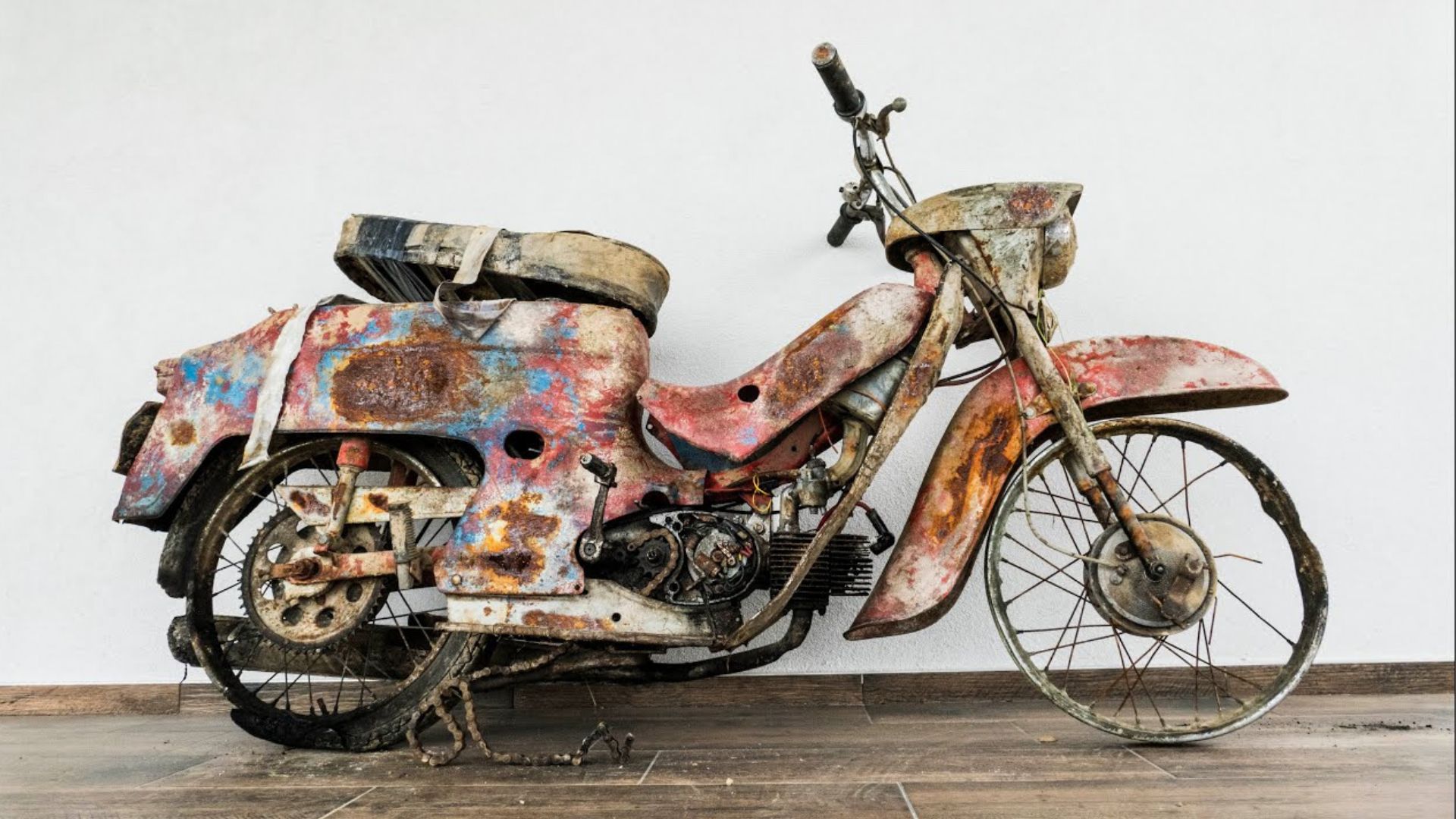
    What is Vehicle Scrapping Policy? Importance

    https://carandbike24.com/vehicle-scrappage-policy-importance/Scraping has been a part of automobile manufacturing for decades. The scrapping process involves taking old vehicles, removing the useful parts, and then destroying the rest to prevent them from being used again. Scrapping is an environmental measure that safeguards against auto identity theft.

    This is when older cars are stolen from dealerships and junkyards so their identities can be used again to build new cars that look the same as the old ones. The Ministry of Environment has recently announced significant changes to its New Vehicle Scrapping Policy (N VSP).

    This article introduces you to the concepts behind scrapping, why it’s necessary, and how changes will affect you if you buy or sell new vehicles.

    What Is the New Vehicle Scrapping Policy?

    The New Vehicle Scrapping Policy is a government-mandated program that requires new vehicles to be destroyed after a certain period. The Ministry of Environment sets specific criteria for each vehicle model, including a minimum age when vehicles should be scrapped. Every model year also has a minimum allowable percentage of vehicles that can be sold in Ontario as used.

    Read More: Top 5 High Growth US EV Stocks for long-term Investment

    This percentage varies based on the type of vehicle. In the past, scrapping policy focused on preventing vehicle theft. It made it more difficult to steal cars by requiring that all vehicles be scrapped regardless of their condition.

    As the program has evolved, it has become more focused on protecting the environment. The new policy will be more flexible, allowing car owners more freedom to sell their vehicles as used.

    Why Is Scrapping Important?

    The New Vehicle Scrapping Policy is a key part of the auto industry. Through this policy, the Ministry of Environment works to protect the environment and stop auto identity theft. Auto theft is a serious problem in Ontario.

    According to the Ontario Association of Police Services (OAOPS), 30,000 cars are stolen every year. Scrapping vehicles is a useful way to address these issues. By scrapping old cars instead of selling them, the government can prevent auto identity theft. This is because stolen cars may have the same VIN numbers as the old cars they were based on.

    After a car is scrapped, its VIN is no longer valid. Selling older cars instead of scrapping them would allow car thieves to use the old identities again to build new cars.

    What Changes Are Coming to the New Vehicle Scrapping Program?

    The Ministry of Environment has announced significant changes to its New Vehicle Scrapping Policy (N VSP). One important change is that the government has reduced the minimum age at which cars must be scrapped from 15 years to 10 years. This means that cars that are 10 years old or older must be destroyed. This change will have an impact on used car buyers and sellers. It will also affect auto dealers and auto repair shops that sell and build used parts.

    How Will These do Changes Affect Consumers?

    The changes to the scrapping program will affect consumers in a few ways. First, the new policy will reduce the supply of used cars on the market.

    This will cause the price of used vehicles to increase as there are fewer available to purchase. It will also be more difficult for people to sell cars 10 years old or older.

    This is because owners will need to find places to scrap the vehicle instead of being able to sell it as a used car. People who purchase older cars will need to remember that they will probably need to replace them sooner. This is because the used car is likely to break down sooner than a car that’s only 10 years old.

    How May These Changes Impact Auto Dealers and Shops?

    The changes to the scrapping program will affect the auto industry in a few ways. The supply of used cars on the market may decrease, which will cause prices to increase. This will be great for auto dealers who sell new vehicles but may pose problems for auto shops that rely on used parts.

    Dealers will be able to charge higher prices for used vehicles because there will be fewer of them on the market. Auto shops will need to find other sources for used parts, such as buying them from individuals or being more selective with the parts they accept.

    The new scrapping program will also affect auto shops that build cars, such as car dealerships. They will need to be more selective with the vehicles they choose to use as they will not be allowed to scrap older vehicles.

    Conclusion

    The government’s New Vehicle Scrapping Program is a useful way to protect the environment, prevent auto identity theft, and keep the used car market functioning. The program has been updated, and changes will significantly affect the auto industry.

    This article introduced you to the concepts behind scrapping and the changes to the New Vehicle Scrapping Policy. If you’re in the market for a new car or a used vehicle, keep these changes in mind to ensure you get the best deal possible.
  • Lithium Ion Battery Manufacturing Process- Step by Step

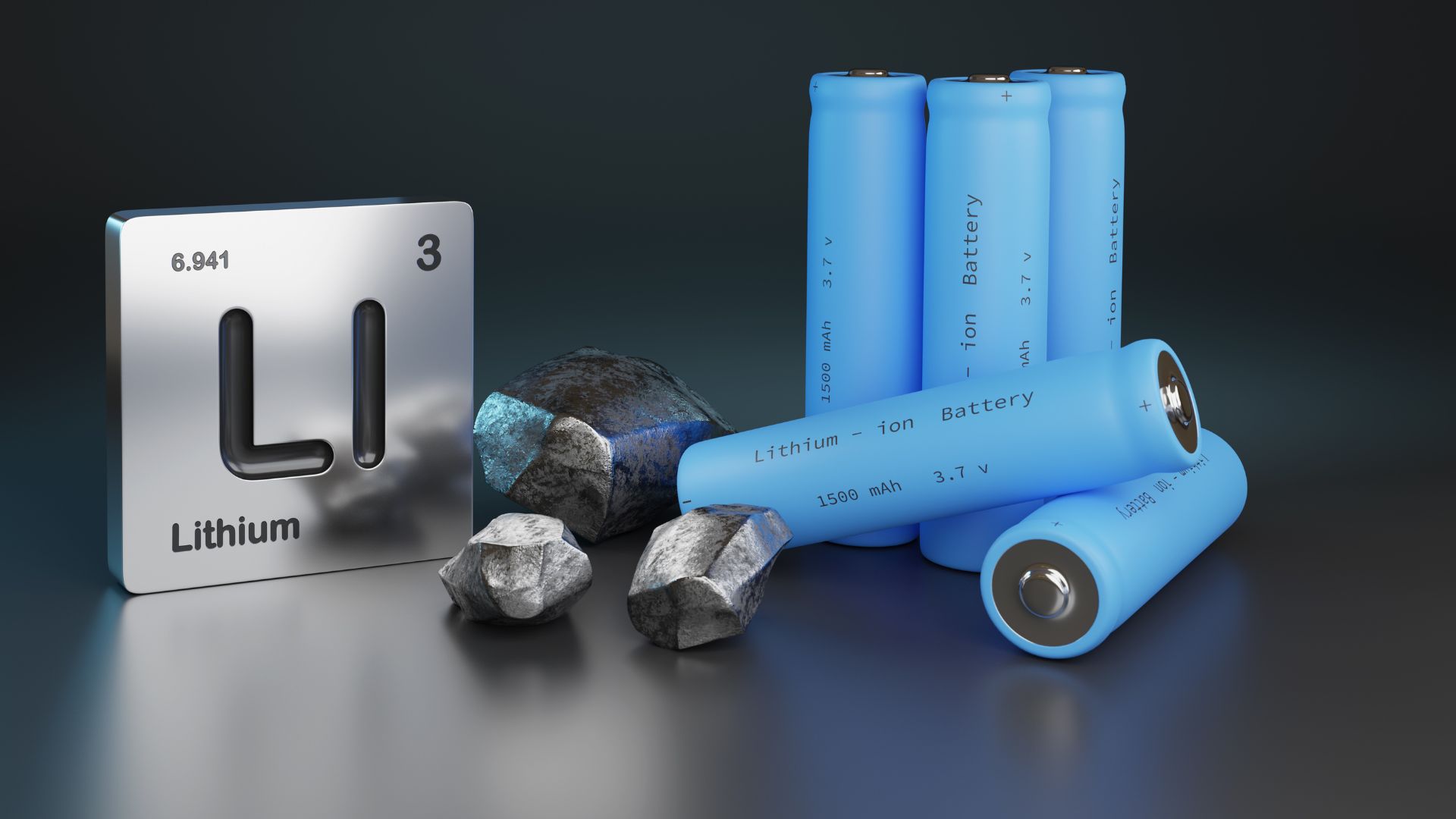
    Lithium Ion Battery Manufacturing Process- Step by Step

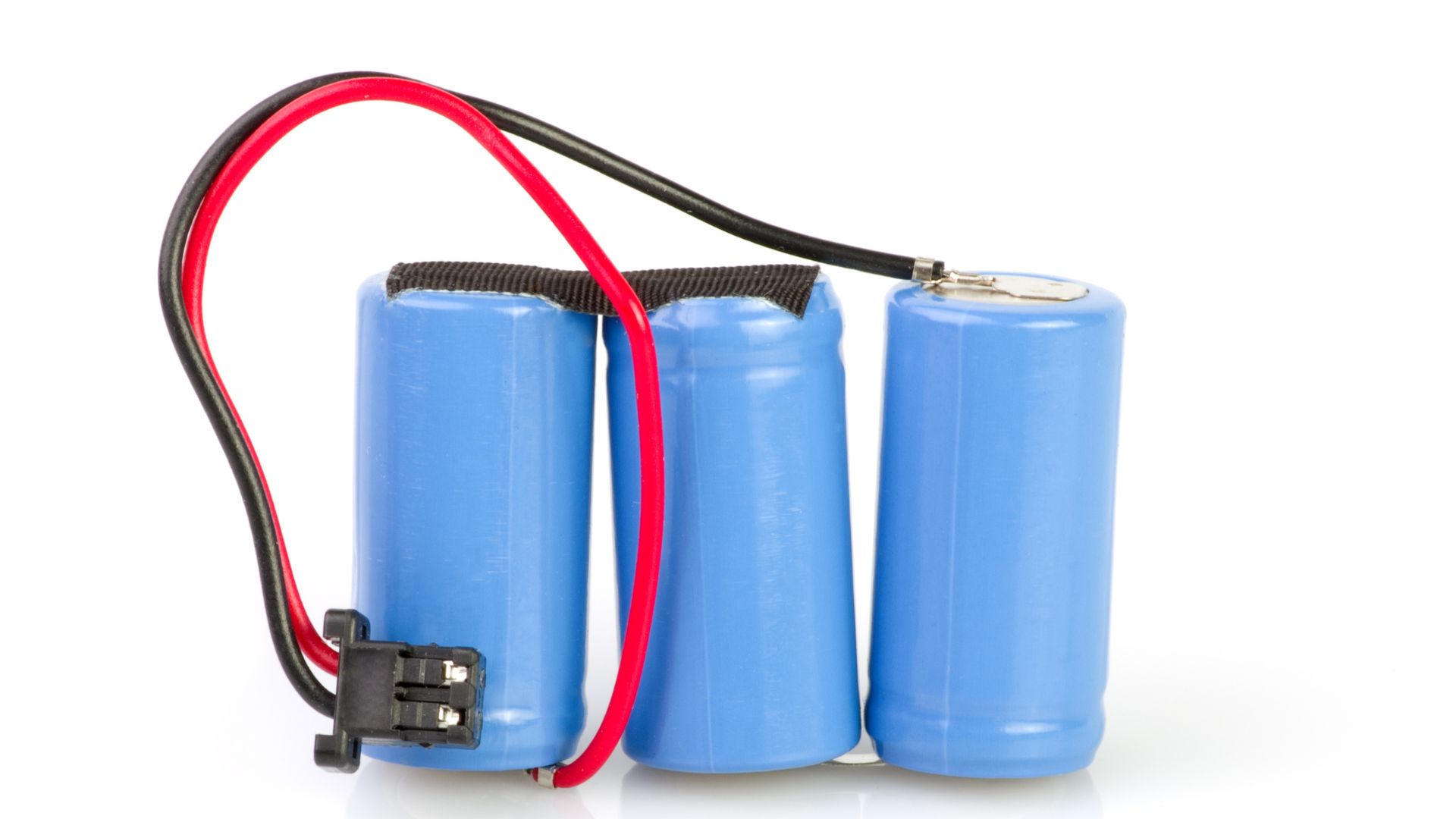
    https://carandbike24.com/lithium-ion-battery-manufacturing-process/Lithium-ion batteries are used in a wide range of applications, from computers and cellphones to electric cars and drones. The manufacturing process for these batteries is fairly complex, but the general principles remain the same across all variations. There are several different ways in which manufacturers produce lithium-ion batteries, with each process having its own pros and cons. 

    In this article, we will explain the lithium-ion battery manufacturing process in detail.

    First, we’ll look at the main advantages of lithium-ion batteries over other battery types. Then we’ll explore the various ways in which manufacturers create them. Finally, we’ll take a detailed look at each step of the manufacturing process for lithium-ion batteries.

    Why use Lithium Ion Batteries?

    Lithium-ion batteries are popular for several reasons. First and foremost, lithium is a very lightweight metal, making it ideal for use in batteries. Lithium-ion batteries are highly energy-dense, meaning that they can store a large amount of energy in a small space.

    This property is especially useful in applications where space is a major concern, such as with aircraft. Lithium-ion batteries also have a very high discharge rate, which is advantageous in applications where speed is essential. They also have a very low self-discharge rate compared to other battery types. This means that lithium-ion batteries can be used in situations where the battery must remain in the device at all times.

    Finally, lithium-ion batteries have an excellent lifespan, especially when compared to other rechargeable battery types.

    Different Types of Lithium Ion Batteries

    https://carandbike24.com/lithium-ion-battery-manufacturing-process/

    There are many different types of lithium-ion batteries, each with its own characteristics. The manufacturing process is slightly different for each variation.

    Here are the different types of lithium-ion batteries and what distinguishes each type from the others. –

    • Lithium Cobalt Oxide Batteries – These are the most common type of lithium-ion battery. They are used in all kinds of devices, from cellphones to computers and electric cars.
    • Lithium Manganese Oxide Batteries – These are cheaper and less powerful than lithium cobalt oxide batteries. They are used in situations where high discharge rates are not required.
    • Lithium Iron-
    • Phosphate Batteries – These batteries have the highest energy density of all lithium-ion batteries. As such, they are used in electric cars and other high-power devices.
    • Lithium Nickel Manganese-
    • Cobalt Batteries – These batteries have a longer lifespan than lithium cobalt oxide batteries. They are used in electric cars, drones, and other devices where a longer lifespan is desirable.

    Manufacturing Process of Lithium Ion Batteries: Step by Step

    https://carandbike24.com/lithium-ion-battery-manufacturing-process/

    The manufacturing process for lithium-ion batteries can vary depending on the type of battery being produced. However, there are some steps that are common to all variations. Here’s a look at the manufacturing process for lithium-ion batteries. First, the raw materials for lithium-ion batteries are mined.

    The main components are graphite and lithium, but other elements are sometimes mined as well. After mining, the materials are processed to extract the lithium ions. The electrodes are then created from carbon (graphite) and lithium metal. The electrodes and electrolytes are then combined to create the cathode and electrolyte. The anode is created from lithium-metal again.

    A separator is inserted between the anode and electrolyte, and the entire cell is sealed. The finished battery is then tested and packaged.

    Step 1: Lithium Extraction

    The first step of the manufacturing process for lithium-ion batteries is extracting the lithium. This is done in a couple of different ways, depending on the type of lithium-ion battery.

    The two methods for extracting lithium are solvent extraction and carbonate conversion.

    • Solvent Extraction – This method uses an aqueous solution to extract lithium from its ore. The ore is treated with hydrochloric acid and dissolved in an organic solvent. Next, an ion exchange method is applied to ionize the lithium in the solvent.
    • Carbonate Conversion – This method uses a mixture of sodium carbonate and carbon dioxide to dissolve lithium in the water. The solution is then separated and filtered to remove impurities and obtain lithium carbonate.

    Step 2: Anodization and Coating

    Next, manufacturers create the anode and cathode. The electrodes are created from a mixture of graphite and lithium metal. The electrodes are then anodized and coated.

    • Anodization – The electrodes are treated with a chemical solution that oxidizes the surface of the electrodes. The anode is then immersed in an electrolytic solution to form a porous layer on the surface of the electrodes. The cathode is treated with a different chemical solution to produce a non-porous layer.
    • Coating – The electrodes are then coated with a solid polymer electrolyte. The cathode is coated with a lithium-containing electrolyte, while the anode is coated either with a polymer electrolyte or graphite.

    Step 3: Battery Formation and Assembly

    After the electrodes are formed, the electrodes and electrolytes are combined to create the cathode and electrolyte. Next, the anode is inserted into the cathode, and the entire cell is then sealed.

    • Cathode and Electrolyte Combination

    The cathode and electrolyte are placed in a vacuum chamber, and pressure is applied to force the two materials together. A compound is added to the electrodes to give them rigidity while retaining flexibility.

    • Anode Insertion –

    The anode is placed in a graphite die, and pressure is applied to force it into the cathode. The entire cell is then placed in a vacuum chamber and heated to 180 degrees Celsius. The pressure of the vacuum chamber forces the two electrodes together.

    • Cell Sealing –

    The chamber is then again subjected to a vacuum as the cell cools down to room temperature, causing the electrodes and electrolytes to be in an extremely tight fit.

    Step 4: Storage and Testing

    After the battery is manufactured, it is put through a series of tests to ensure that it meets quality standards. The cells are charged and discharged to check their discharge rate. Further tests are carried out to ensure that the cell voltage and energy are correct. The batteries are then stored before being packaged and shipped to customers.

    In order to maintain their lifespan, lithium-ion batteries must be stored properly. The batteries should be kept at a cool and dry temperature between -20 degrees Celsius and 25 degrees Celsius. They should also be stored at a low humidity level of less than 50%.

    Finally, lithium-ion batteries should be kept away from sources of high heat, sparks, or flames.

    Summing up

    This article has explored the manufacturing process for lithium-ion batteries in detail.

    Lithium-ion batteries are very useful for a variety of applications, ranging from cell phones to electric cars. Their popularity is due to the fact that lithium-ion batteries are highly energy-dense and have a very high discharge rate. They also have a very low self-discharge rate and an excellent lifespan.

    The manufacturing process can vary slightly depending on the type of battery being produced. Still, there are a few steps that are common to all types of lithium-ion batteries. First, the raw materials for lithium-ion batteries are mined. Next, they are processed to extract the lithium ions.

  • August 2022 Electric Vehicle Sales- Highlights

    August 2022 Electric Vehicle Sales- Highlights

    https://carandbike24.com/2022-august-electric-vehicle-sales-highlights/

    Electric Two-Wheeler Sales Report- August 2022

    Electric vehicles are booming in India, and the electric two-wheeler sector, in particular, is growing month after month. Check Here August 2022 Electric Vehicle Sales – Highlights

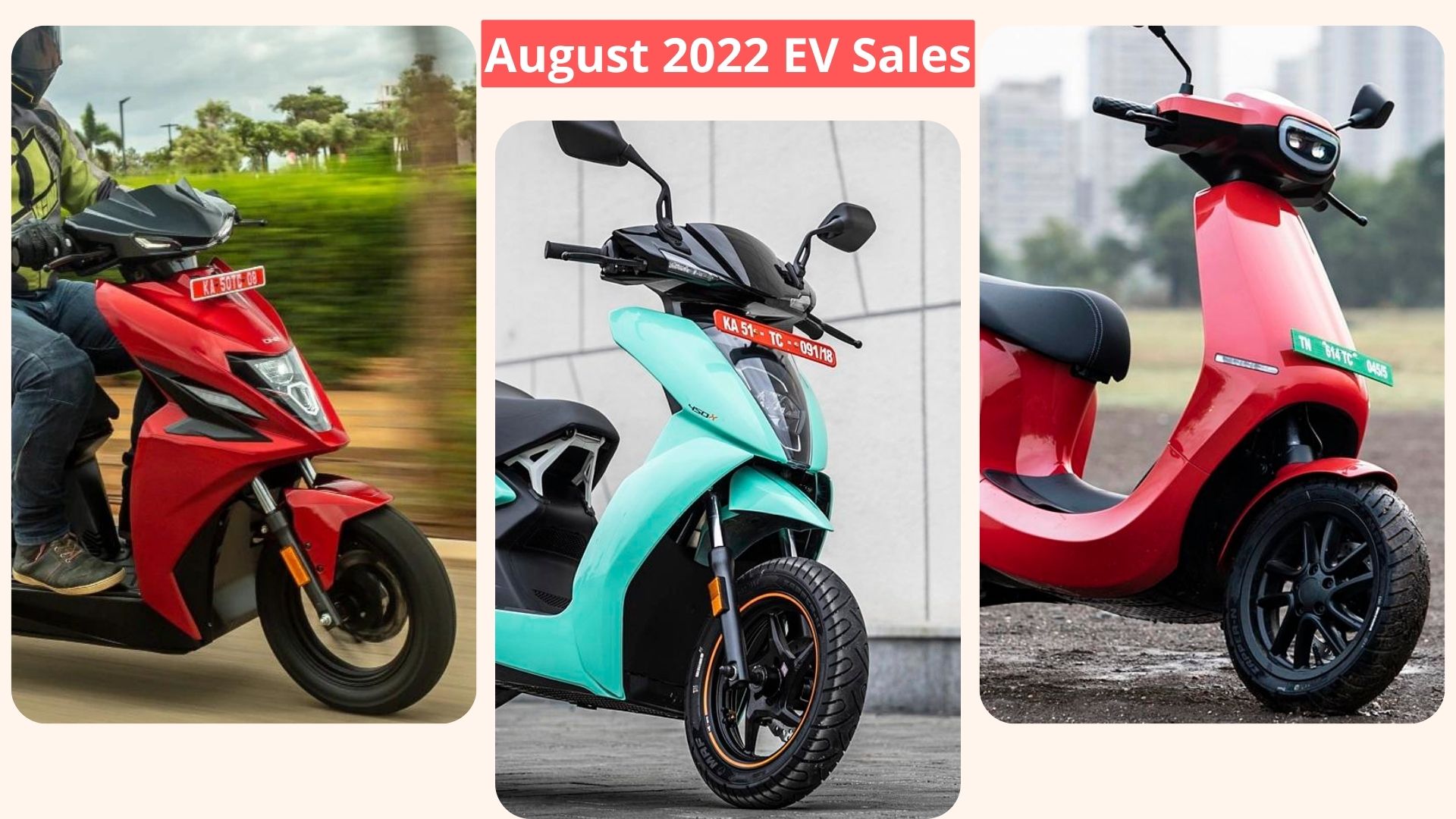
    In the month of August 2022, Hero Electric topped the list by selling 10,476 units in a month and Okinawa Autotech retains the second position in the list with sales of 8,554 in the month. At the third position after Ampere Vehicles with sales of 6,396 units and Ather Energy at the fourth position with sales of 5,239 units in the month of August.

    Read More: Top Electric Vehicle & Battery Stocks

    Rank Company’s Name  Units sold in the months of August
    1 Hero Electric 10,476
    2  Okinawa Autotech 8,554
    3 Ampere Vehicles 6,396
    4. Ather Energy 5,239
    5. Ola Electric 3,421
    6. Revolt Motors 1,646
    7. Benling India 1,045
    8.  Okaya EV 878
    9. Pure EV 875

    Read More: Top 10 made-in-India electric two-wheeler companies

  • Why do electric scooters look similar? Big Reason

    Why do electric scooters look similar? Big Reason

    https://carandbike24.com/category/electric-vehicle-news/China is currently the global leader when it comes to electric two-wheeler manufacturing. They have a robust manufacturing ecosystem that produces these vehicles as they are no big deal, just another product for people to buy because they have a solid electric two-wheeler manufacturing ecosystem in the country.

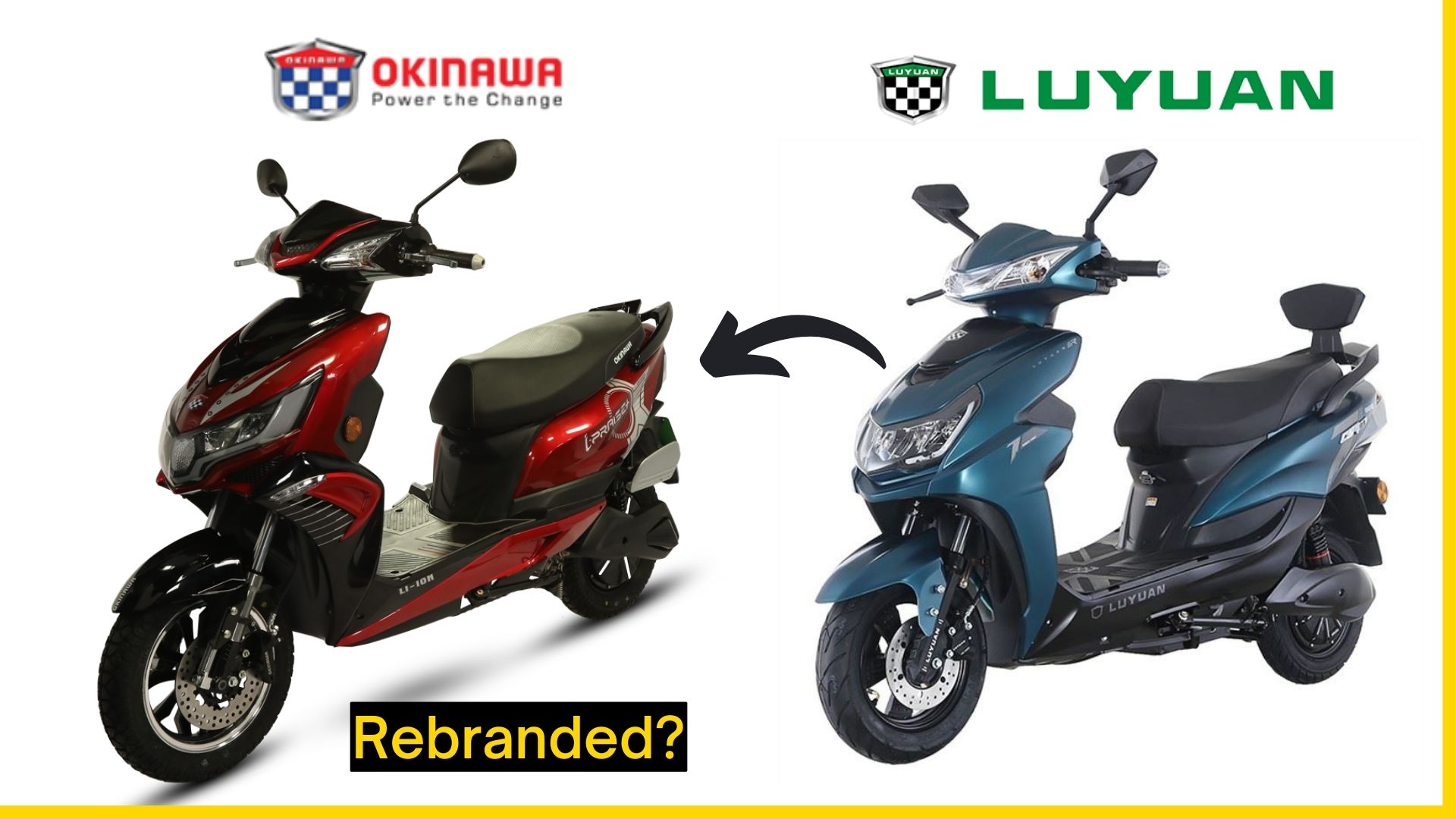
    But things are different in India. A domestic, made-in-India- electric two-wheeler that is not a Chinese import is rare to find. and we have a lot of Indian companies selling these electric two-wheelers with their own branding and logo, but these scooters are not actually designed or manufactured in India.

    These Indian companies are acting as middlemen, importing from Chinese manufacturers and then assembling in India, which is why most of the electric vehicles currently available in India are similar in looks.

    Problems with Chinese Electric Scooters?

    Chinese products are everywhere in India!

    We’ve got smartphones from companies like Vivo, and Chinese automobiles from brands like MG that are owned by SAIC Motor, but in electric two-wheelers, it’s a bit more subtle, as these scooters are not being sold directly by the Chinese but it sold by Indian companies which are wholly owned by Indians with Indian branding.

    And it becomes problematic when companies don’t make it clear where their two-wheelers are coming from and being made, when they say their products are made in India, made for India, but then you Check out Chinese EV manufacturer websites, and you get to know that their electric scooters look very similar to those of the Indian company.

    Read more: New Mahindra Scorpio-N All Variant Price?

    right now there is a big part of this Indian electric two-wheeler industry that is being heavily supported by China, even if this support is indirect. And every Indian company that chooses to trust Chinese companies is missing out on a huge opportunity for India. They should slowly but surely build up their two-wheeler manufacturing capabilities in India. And as more and more startups start manufacturing their own electric two-wheelers, the collective industry strength in the country will grow.

  • More Torque than a Ferrari? Verge hubless electric motorbike

    More Torque than a Ferrari? Verge hubless electric motorbike

    https://carandbike24.com/verge-ts-hubless-electric-motorcycle-price/

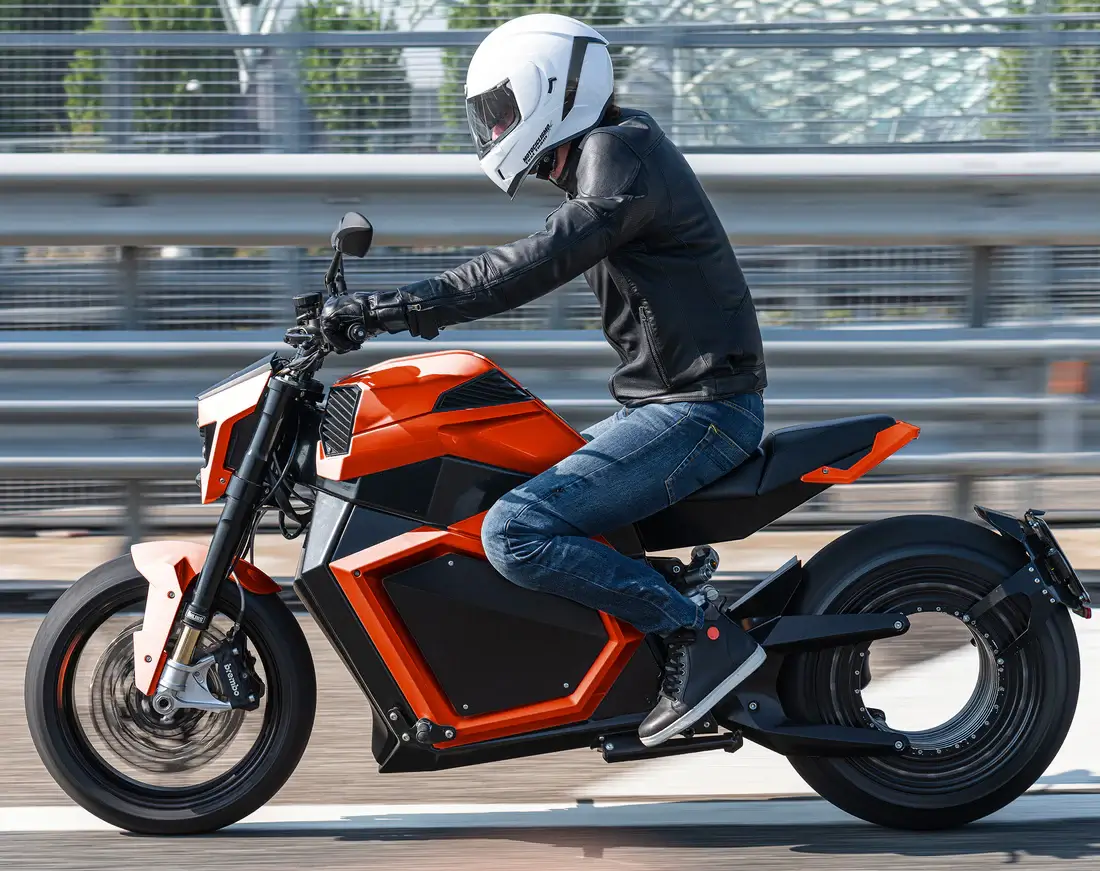
    The Verge TS electric motorcycle was unveiled at the 2019 EICMA. The Verge hubless electric motorcycle is priced at EUR 24,990, which is roughly Rs 20.41 lakh in Indian Rupees.

    The Verge TS offers a range of 300km in the city and 200km on the highway.


    Finland-based electric two-wheeler startup Verge Motorcycles is all set to formally launch RMK Vehicles Corporation its first electric motorcycle, which will offer a range of 300 km in the city and 200 km on the highway. The electric motorcycle is packed with a fully integrated electric motor and a 20.2 kWh battery pack.

    Read More: New Mahindra Scorpio-N All Variant Price? Specs

    The “Verge TS” hubless electric motorcycle has been gaining popularity on the Internet for quite some time, especially for its first hubless electric motorcycle. The motorcycle has traveled a lot and was shown at the 2019 EICMA, from concept to production stage it took almost 4 years to get into final production.https://carandbike24.com/verge-ts-hubless-electric-motorcycle-price/

    Moreover, Verge Motorcycles is about to create the ultimate electric experience on two wheels with the most unique combination of design and functionality within the motorcycle industry.

    Verge TS electric motorcycle Price?

    The pre-orders for the Verge TS electric motorcycle have now been started with a token amount of 2,000 EUR (approximately Rs 1.63 lakh in Indian Rupees).

    The Verge TS Hubless electric motorcycle cost nearly EUR 24,990, (which is approximately Rs 20.41 lakh in India Rupees)https://carandbike24.com/verge-ts-hubless-electric-motorcycle-price/

    Verge TS Electric Motorcycle Range & Specs?

    The Motorcycle comes with an 80kW motor, which is capable of churning out a tire-shredding 1000 Nm at the wheel. And if we talk about its acceleration speed, then it is capable of reaching 0-100kmph in less than 4 seconds. The top speed is limited to 180 mph. https://carandbike24.com/verge-ts-hubless-electric-motorcycle-price/

    This electric motorbike is loaded with a lithium-ion battery pack, which is claimed to offer an insane range of 300 km in the city and an equally impressive 200 km on the highway.

    The best part of this motorbike is, that using a DC charger via CCS, 15 minutes of charging will give you a range of 100 km, and in about 45-50 minutes it will be fully charged from 0 to 100%.

    • Peak power: 102 kW
    • Max torque: 1000nm
    • Range: 300+ km city / 200km highway
    • Top speed: 180km/h
    • Ride Modes: Eco, Highway, Max, Custom
    • Charging: AC – 5 hours / DC CCS – Up to 40 minutes (15min = 100km)
    • Wheelbase: 1540mm
    • Seat height: 775mm
    • Weight: 249kg
  • Gensol Group to Launch Affordable Electric Car by 2023

    Gensol Group to Launch Affordable Electric Car by 2023

    https://carandbike24.com/gensol-upcoming-electric-car-under-7-lakhs/

    • Gensol Upcoming Electric Car under 7 Lakhs by 2023

    Now it is confirmed that Ahmedabad-based Renewable energy company, Gensol Group is working on an Affordable Electric Car by 2023.

    Anmol Jaggi (co-founder of blu smart mobility) has shared a post on LinkedIn stating “New baby on the way – Gensol Group’s Electric Vehicle manufacturing plant at Chakan, Pune under full flow construction. We hope to roll out our first cars in January 2023. Super efforts by Pratik Gupta & Pranay Mundra to build this product”

    https://twitter.com/AnmolJaggi/status/1555385279665807360

    https://carandbike24.com/gensol-upcoming-electric-car-under-7-lakhs/This electric car (seen in the images) will be a small hatchback electric car, set to be launched on January 2023, and is expected to be priced under ₹ 7 lakh (ex-showroom) in India.
    Read More: Mahindra XUV 700 Crashed in Tamil Nadu– Images

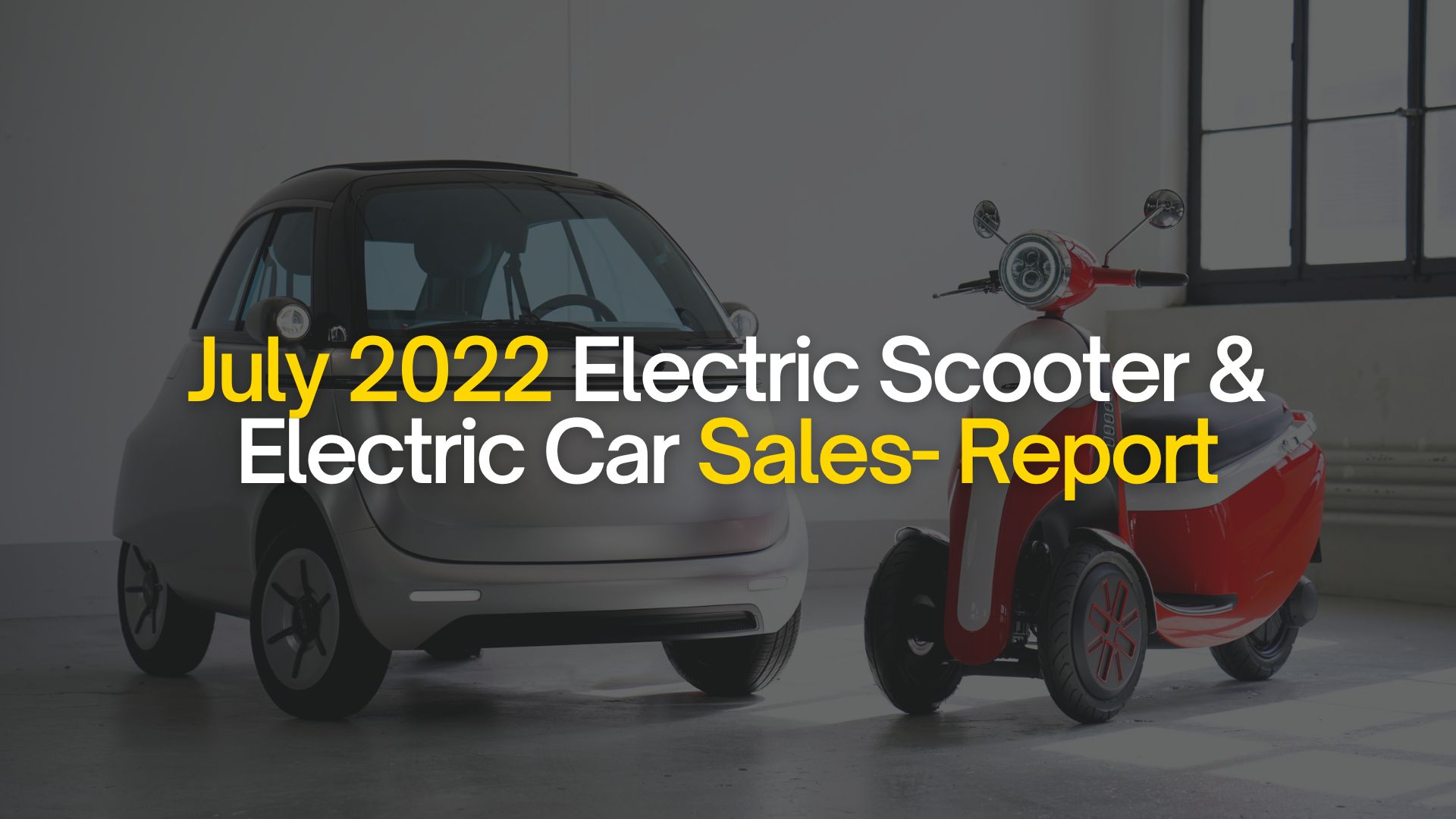
  • July 2022 Electric Scooter & Electric Car Sales- Report

    July 2022 Electric Scooter & Electric Car Sales- Report

    https://carandbike24.com/july-2022-electric-scooter-electric-car-sales-report/Hero Electric tops the July EV sales and sold 6,504 electric scooters with month-on-month growth of 35%. and Okinawa retains its 2nd position with sales of 8,786 in July and month-on-month growth of 17%. 

    Hero Electric and topped the two-wheeler sales for the month while Ather & Ola saw a significant drop; The momentum in the overall EV market remains steady, and overall sales across India have doubled.

    July 2022 Electric Two Wheeler sales:

    Company  Units sold in June 2022 Units sold in July 2022 M-o-M Growth (%) Units sold in July 2021 Y-o-Y Growth (%) 
    Hero Electric 6,504 8,786 35% 4,223 108%
    Okinawa 6,944 8,093 17% 2,580 214%
    Ampere 6,541 6,312 -4% 657 861%
    TVS Motors 1,946 4,244 118% 648 555%
    Ola Electric 5,886 3,852 -35%
    Bajaj Auto  1,798 2,418 34% 728 232%
    Revolt 2,424 2,316 -4% 317 631%
    Ather Energy 3,829 1,279 -67% 1,799 -29%
    Being India 959 1,166 22% 473 147%
    Okaya EV 5,006 5,793 16% 1,944 198%
    Total e2W Sales 41,837 44,259 6% 13,369 231%

    July 2022 Electric car sales list:

    • Tata Motors- 4,022
    • MG Motor India- 257
    • Hyundai Motor India- 57
    • BYD India Private- 43
    • Mahindra & Mahindra- 26
    • Audi AG- 7
    • Porsche AG Germany- 6
    • BMW India Pvt Ltd- 5
    • Mercedes-Benz AG- 2
    • OTHERS- 6
    • TOTAL- 4431
  • eBikeGo New Muvi E-scooter variant for military

    eBikeGo New Muvi E-scooter variant for military

    https://carandbike24.com/ebikego-new-muvi-e-scooter-variant-for-military/

    • eBikeGo is set to launch the Muvi Electric scooter variant for Indian military duty.

    Electric vehicles offer some significant advantages over fueled vehicles. They are quiet, do not exhaust or release heat, and are not powered by highly flammable liquids.

    They are cost-effective to maintain and the onboard telematic device will be able to record a wide range of information about the vehicle’s performance.


    eBikeGo is an Indian electric mobility company founded in 2019 by Dr. Irfan Khan, based in Mumbai, India. eBikeGo provides rental electric bikes, a battery charging facility, AI-enabled telematics solutions, and various industry-related EV products and services.

    recently, eBikeGo has acquired manufacturing rights for the Muvi electric scooter, this electric scooter will be made in India and will be exported worldwide.

    The company is working on an electric moped named “eBikeGo Muvi

    eBikeGo Muvi Range and Specifications 

    The Muvi electric scooter is lightweight, weighing only 83 kg. It has a power of 4.1 CVS (3 kW) which is equivalent to 125 ccs. The Muvi electric scooter can go up to 100 km on a single charge in Eco mode and has a top speed of 60 km/ph.

    Now, the company’s founders have officially confirmed that a military version of its e-scooter will also be available for the country.

    Read More: Ola S1 Pro Disadvantages 

  • Hyundai KONA Electric- 452 km Highest Range EV

    Hyundai KONA Electric- 452 km Highest Range EV

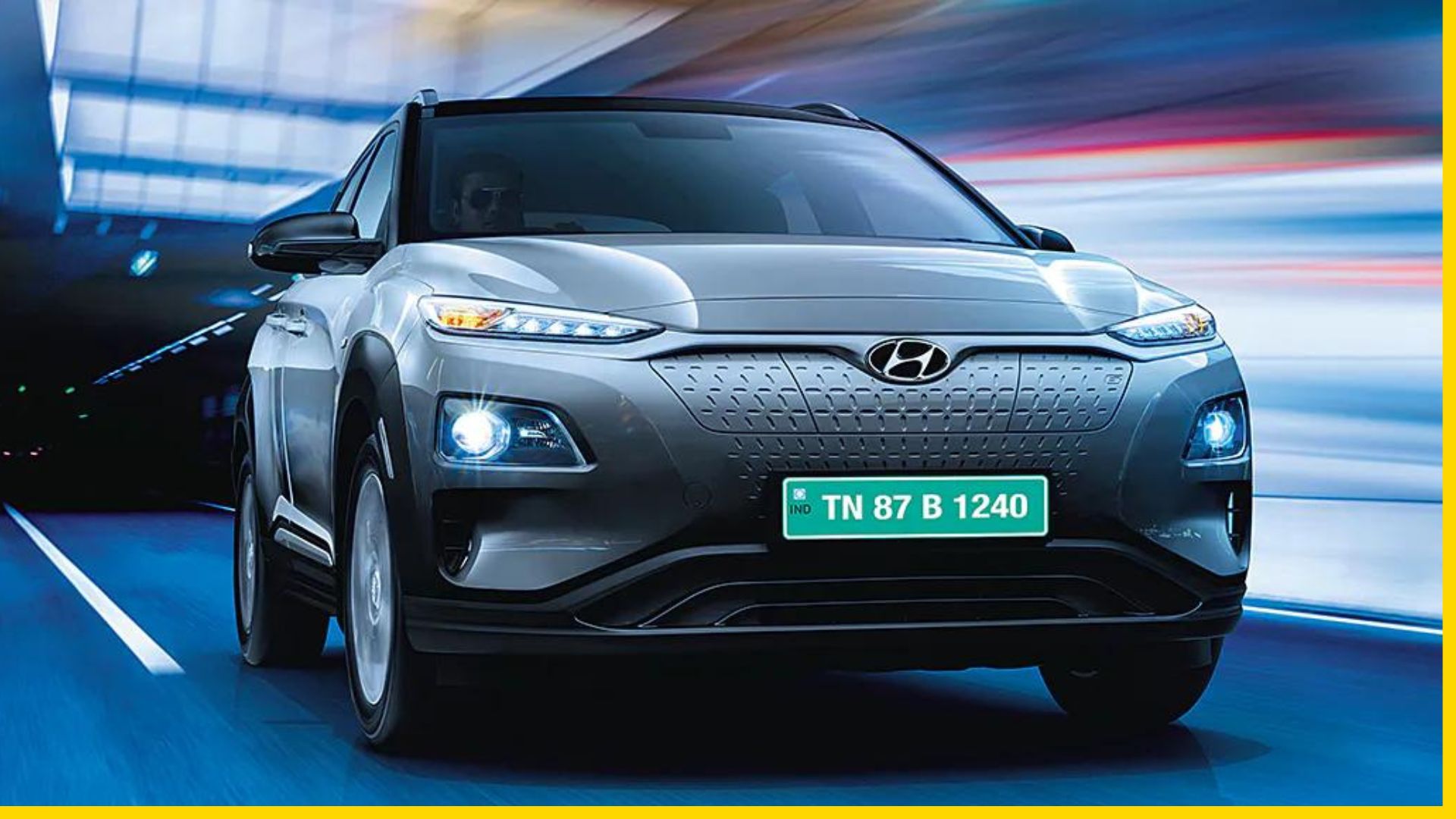
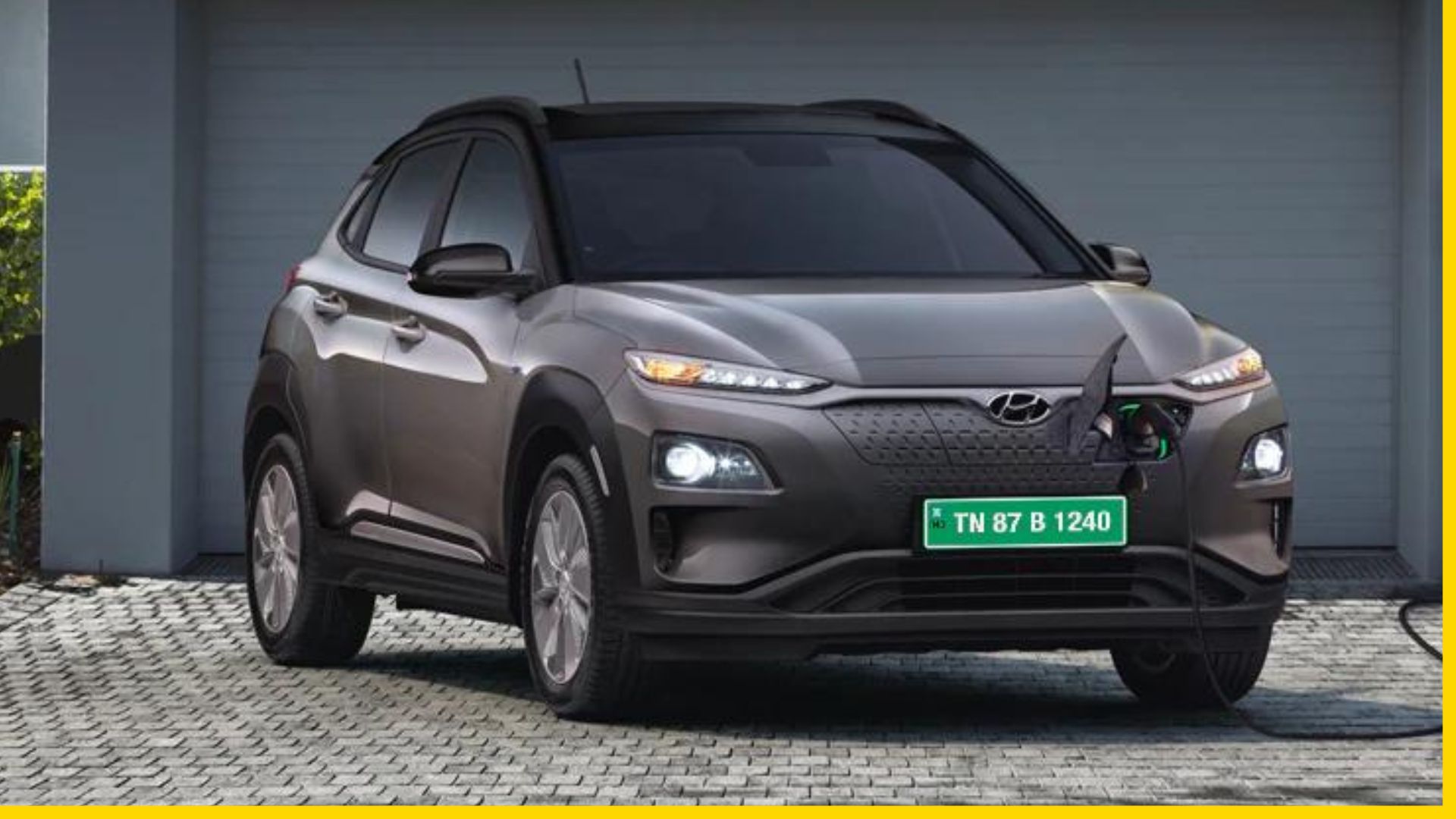
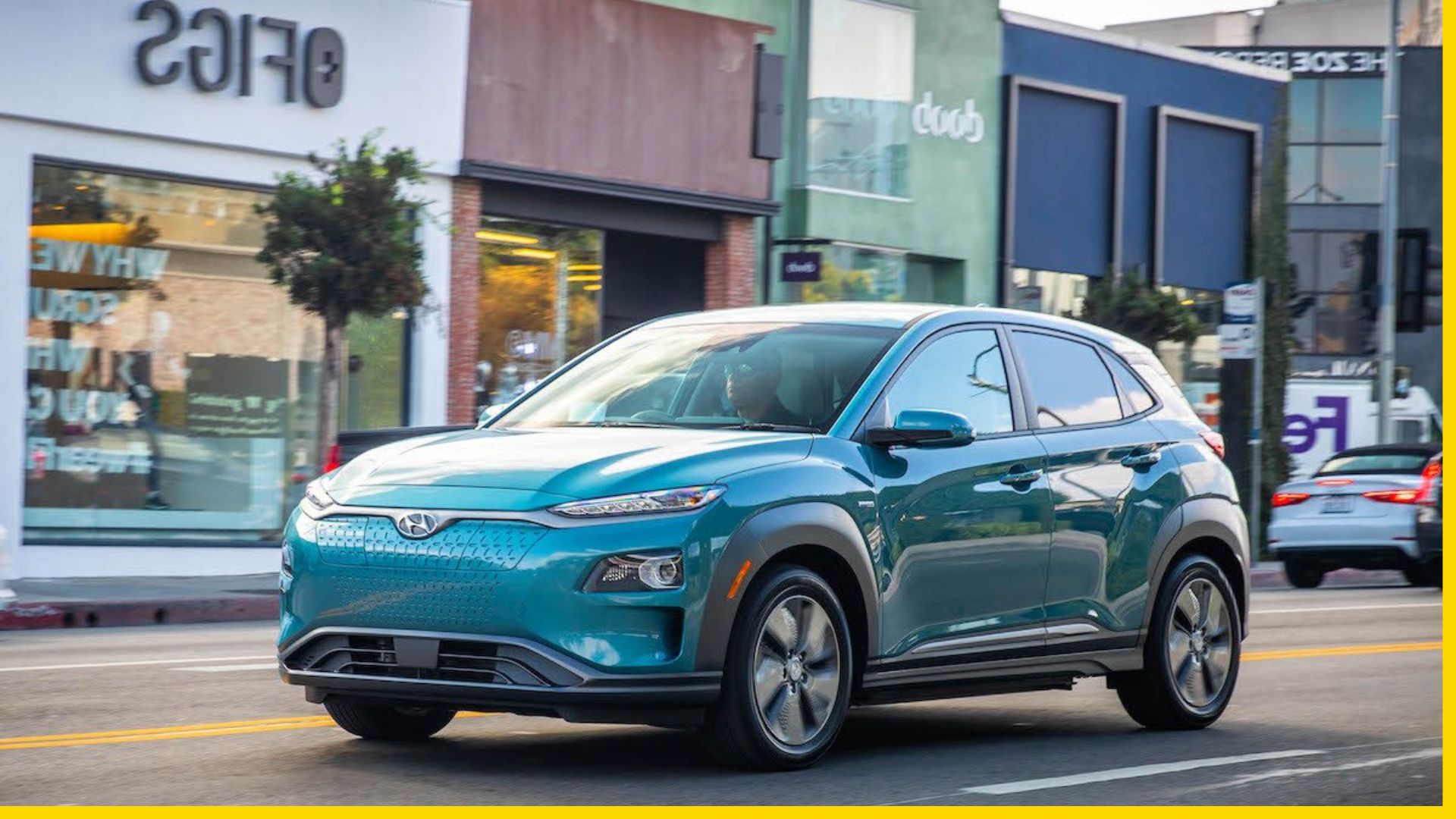
    https://carandbike24.com/hyundai-kona-electric-452-km-highest-range-ev/India is one of the fastest-growing economies in the world and is continuously promoting its manufacturing and industry sectors. Among them, a big name is also mobility and electric mobility. In the last few years, the maximum development of electric mobility has taken place in India. Many companies in India have manufactured new electric vehicles. one of them is Hyundai Motors which has launched the best electric car- Hyundai Kona Electric in India.

    Hyundai Motors is a Korean company that has gained immense popularity in the world market by taking its product to the next level. After the immense success of its petrol/diesel version, the company is now entering the electric vehicle segment. In the last years, this company had launched its electric SUV in the market, which is named – Hyundai Kona Electric.

    Hyundai Kona Electric Highlights- This Korean company launched its first electric SUV named Kona Electric in the Indian market on 9 June 2019. EV Enthusiast has been waiting for this electric car for a long time. It has been launched in the market in only one variant.

    Read More: Mahindra Thar Electric Launch?

    Kona Electric Look and Design – This electric SUV in appearance. Similar to its petrol/diesel version. Not much change has been made in its look. It gets 17-inch alloy wheels. Its body is made of plastic. Also, it also gets cladding on, the rooftop.

    These are available in four different color variants – White, Silver, Blue, and Black. Also, it has dual tone color options – White and Black, for which you will have to pay an additional cost of Rs 20,000 / -.https://carandbike24.com/hyundai-kona-electric-452-km-highest-range-ev/

    Hyundai Kona Electric Features & Safety-

    Let’s talk about the great features available in it

    • 10-way Power-adjustable driver seat
    • Front Varinder & heated seat
    • Leader finishing steering wheel
    • Wireless Phone Charger
    • The 7-inch touchscreen infotainment system
    • Electric Sunroof
    • Power Window
    • Automatic Climate Control
    • Cruise control
    • Smart key & push-button start
    • LED DRLs, LED tail lamps

    Along with this, some facilities are also available for safety like –

    • 6 airbags
    • EBD with ABS
    • Electronic Stability Control
    • Heal assist
    • Guideline
    • Rear Camera
    • Tire pressure monitoring system

    Kona Electric Specifications-

    Now let’s talk about its specs.

    • Battery pack- 39.2 kWh lithium-ion battery
    • Max. Power – 136 PS
    • Max. Torque – 395 Nm
    • 4 driving modes – There are four different driving modes available in this.
    • eco-mode
    • Eco + (plus) mode
    • Comfort mode
    • Sport mode
    • Acceleration Speed- According to the report given by the company, this electric SUV is only 9.7 sec. The speed of 0 to 100 km/ph catches in time.
    • Charging Time- A DC fast charger is also available in this. It charges up to 0-80% in just 57 minutes with a 50kW DC fast charger. The same 7.2 kW AC home wall box charger gets a full charge in 6 hours and 10 minutes. It also has the option of a 2.3 kW small charger, which you can also put in the normal socket of the house. With this small charger, the battery gets fully charged in about 19 hours.
    • Warranty- Its battery gets a warranty of 8 years / 1,60,000 km and the SUV gets a warranty of 3 years.
    • Top Range- This electric SUV gets a range of 452 km/charge (ARAI-tested). This range is quite spectacular compared to the rest of the EVs available in the market.https://carandbike24.com/hyundai-kona-electric-452-km-highest-range-ev/

    Hyundai Kona Electric price in India

    The price of this EV varies slightly depending on its color. Its price in India is between 23.84 to 24.03 Lakh. The difference of 20,000 in this is its dual tone color, for which you will have to pay extra. The price of all other colors is approx.

    So this was the KONA EV, Hyundai’s first electric SUV and Highest Range Electric car on the road.

    Latest Update – Hyundai Motors is preparing to launch its second electric car Hyundai IONIQ 5 in the Indian market soon. There are reports that this electric car will come to the Indian market by the end of 2022.

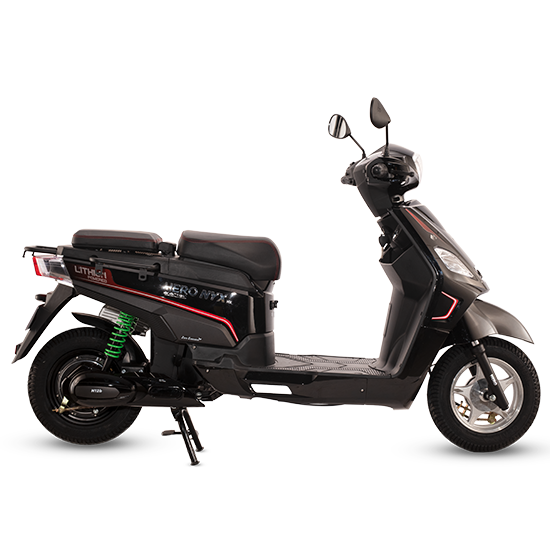
  • Hero NYX HX- Best Electric Scooters For Delivery

    Hero NYX HX- Best Electric Scooters For Delivery

    https://carandbike24.com/hero-nyx-hx-electric-scooters-for-delivery-price/Rising prices of petrol/diesel in India have made people move towards electric vehicles. This is the reason why EV mobility is the fastest-growing sector in India today. An electric scooter is the most sought-after product even in EVs. Due to this, all the vehicle manufacturing companies in India are focusing on electric two-wheeler manufacturing.

    Due to this, more than one electric scooter has been launched in India in the last few days. The company is constantly focusing on features like the range and top speed of electric scooters.

    Hero Electric’s electric scooters are also included in this list.

    Hero is India’s largest two-wheeler manufacturing company. The company had entered the electric vehicle segment some time back. The company has earlier launched electric scooters like Hero Flash LX, Optima LX, and Electric Atria LX in the market. One of them is Hero NYX HX electric scooter.https://carandbike24.com/hero-nyx-hx-electric-scooters-for-delivery-price/

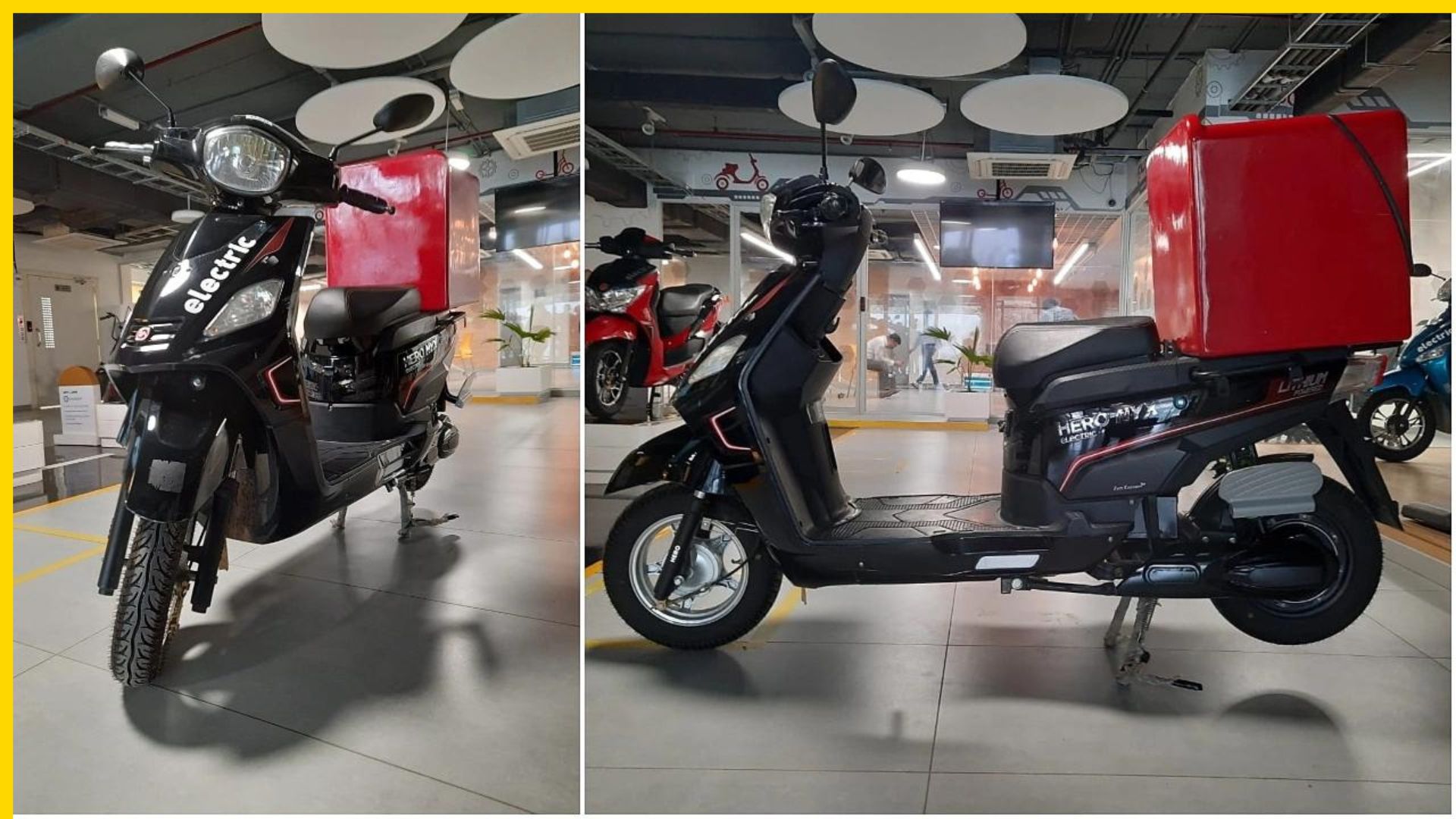
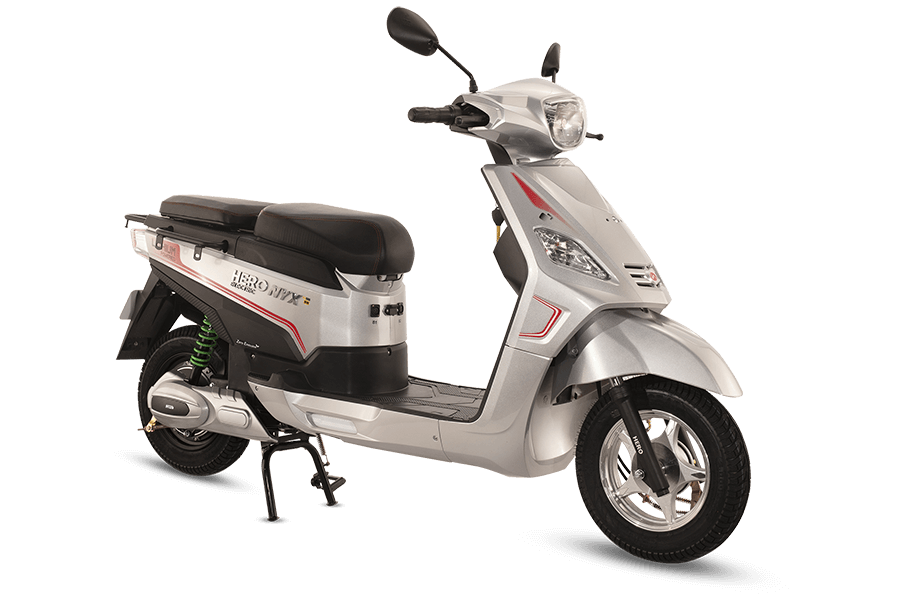
    Hero NYX HX electric scooter is the best Delivery Electric Scooter available right now, this electric scooter also comes with dual battery features. It is a commercial electric scooter commonly used by food delivery people. The company also says that the customer can get it customized according to his need and preference, with options like ice-box and split seat available in its customization.

    Hero NYX HX Features

    Let’s talk about its features.

    • Smart Phone Connectivity
    • Bluetooth interface
    • Top-of-the-line surveillance
    • Drastic solution
    • Digital Instumentale cluster
    • USB port
    • LED headlamp
    • Regen Braking
    • Combi brakes
    • Telescopic Suspension
    • Alloy wheels
    • Portable Battery
    • Split Folding Seat
    • In-Dash Bottle Holder

    Hero NYX HX Specification

    Now let’s talk about its specs like battery pack, range, and top speed.

    • Battery Pack – 51.2 V/ 30 Ah ( double lithium-ion battery pack )
    • Motor Power – 600. 1350 Watts
    • Kerb Weight – 87 Kg.
    • Colors- It is available in two color options – Silver & Black
    • Charging Time – Its battery takes 4 to 5 hours to be fully charged once.
    • Top Speed ​​- This Electric Scooter provides a top speed of up to 42 km/ph.
    • Range – This Electric Scooter has been attached to two Lithium-ion batteries, due to which it offers a great range. In this, a range of up to 82km/charge is available on a Single Battery, while connecting it to Dual Battery, provides a tremendous range of up to 165km/charge.https://carandbike24.com/hero-nyx-hx-electric-scooters-for-delivery-price/

    Hero NYX HX Price In India

    Talking about its prices in India, it is available in the market at an ex-showroom price of Rs.77,540/-. Its price is almost the same as the dual battery model of Hero’s Optima CX. It is in good demand due to affordable prices and also acts as a competition to other companies

    Read More: Ola S1 Pro Top 10 Advantages and Disadvantages

error: Content is protected !!